
Trust-Based Relational Intervention (TBRI) is a trauma-informed parenting approach that helps caregivers respond to children’s behavior through connection, emotional regulation, and trust instead of punishment. Developed by Dr. Karyn B. Purvis and Dr. David R. Cross at the Karyn Purvis Institute of Child Development (Texas Christian University), TBRI is widely used by foster, adoptive, kinship, and biological families to build felt safety, secure attachment, and healthier relationships.
It normally takes place in the middle of a normal day.
Understanding TBRI at a Glance
| If you want to know… | Here’s the answer |
|---|---|
| What is TBRI? | A trauma-informed parenting approach that helps caregivers respond through connection, trust, and emotional regulation. |
| Who is it for? | Foster, adoptive, kinship, and biological families, as well as educators and caregivers supporting children with challenging behaviors. |
| What are the 3 principles? | Connecting, Empowering, and Correcting. |
| What makes it different? | It focuses on the needs behind behavior instead of relying on punishment or control. |
| Why does it work? | It helps children feel emotionally safe, making it easier to regulate emotions, build trust, and learn new behaviors. |
You ask your child to do something simple… and instead of listening, they push back, ignore you, or completely shut down. You try again, but this time you’re a little stronger. The tension builds.
Before you know it, the moment has turned into a struggle neither of you wanted.
And afterward, there’s that quiet question sitting underneath it all: Why does something so small turn into something so big?
This is where most parenting advice falls short. Because what you’re seeing isn’t just outward actions; it’s a nervous system response.
This is where Trust-Based Relational Intervention (TBRI), a trauma-informed, trust-based parenting approaches, offers a different path focused on emotional safety, regulation, and trust instead of control.
Looking for practical trauma-informed parenting tools you can start using right away?
Why Traditional Parenting Feels So Hard with Trauma-Affected Kids
Most parenting advice is built around one assumption:
“If you correct behavior, the child will learn.”
But for many children, especially those impacted by stress, inconsistency, or past experiences, this doesn’t work. There’s a deeper reason for this — one that explains exactly why traditional discipline fails with trauma-affected children.
Because the challenge often goes deeper than the outward behavior itself. It’s the connection between trauma and a child’s reactions.
This reflects what child behavior often communicates during emotionally overwhelming moments.
When a child feels unsafe (even subconsciously), their brain shifts into survival mode:
- Fight (tantrums, aggression)
- Flight (avoidance, distraction)
- Freeze (shutdown, silence)
This stress response pattern is common in children impacted by trauma, chronic stress, disrupted attachment, or emotional overwhelm.
In this state, logic doesn’t land. Consequences don’t teach. The nervous system is simply trying to cope.
This is why so many caregivers feel stuck in cycles, even when they’re trying their best at trauma-informed parenting methods.
| Traditional Parenting | TBRI |
|---|---|
| Focuses on behavior | Focuses on the reason behind behavior |
| Uses consequences first | Builds connection first |
| Corrects immediately | Regulates before correcting |
| Seeks compliance | Builds trust and emotional safety |
| Reacts to behavior | Responds to underlying needs |
Why TBRI Works When Traditional Parenting Doesn’t
Traditional parenting often focuses on changing behavior first. TBRI takes a different approach by addressing the needs behind the behavior before teaching new responses. By building felt safety, supporting emotional regulation, and strengthening secure attachment, children become more ready to learn, cooperate, and build trusting relationships.
This trauma-informed approach is used by foster, adoptive, kinship, and biological families because it creates lasting change through connection rather than control.
The Three TBRI Principles That Transform Daily Life
If you’ve ever wondered, “What are the core principles of TBRI?” here’s the simple answer:
The three TBRI principles are Connecting, Empowering, and Correcting. Together, they strengthen attachment, build felt safety, and support emotional regulation in everyday interactions.
The 3 Principles of TBRI
| Principle | Purpose |
|---|---|
| Connecting Principles | Build safety and trust |
| Empowering Principles | Support regulation and physical needs |
| Correcting Principles | Teach behavior while preserving connection |
1. Connecting Principles: Building the Safety Your Child Needs
Before anything else, a child needs to feel safe.
Not logically safe. Not told they’re safe. Felt safety. This is where connection begins.
Simple TBRI techniques include:
- Getting at eye level
- Using a calm, warm tone
- Playful engagement (when appropriate)
- Being aware of your own triggers
TBRI techniques focus on connection, emotional safety, regulation, and gentle correction instead of punishment or control.
This is the foundation of attachment-based parenting. It also reflects the core TBRI belief that connection must come before correction.
2. Empowering Principles: Supporting Regulation First
Behavior improves when the body is supported. This is one of the most overlooked parts of trauma-informed care.
Ask:
- Is the child hungry?
- Tired?
- Overstimulated?
- Struggling with transitions?
These basic needs directly affect emotional regulation in children. Sensory overload, fatigue, dehydration, and transition stress can all increase dysregulation in trauma-affected children.
The “5 B’s” of TBRI (often referenced in practice) reflect these core needs:
- Biology (nutrition, hydration)
- Balance (sensory and emotional regulation)
- Brain (understanding development)
- Body (physical state and awareness)
- Belonging (connection and attachment)
These regulating strategies help caregivers address the root need underneath the reaction instead of focusing only on the outward action itself.
When these are supported, behavior often shifts naturally.

3. Correcting Principles: Teaching Without Breaking Trust
Guidance still matters, but the way a caregiver responds during stressful moments changes everything. Instead of punishment, the focus shifts toward teaching and guiding the child through the moment.
TBRI strategies for parents include:
- Offering choices instead of commands (this gives the child a sense of control and reduces resistance)
- Practicing “re-dos” (try again with gentle guidance so the child can learn the right response)
- Responding calmly, not reactively (your regulation helps shape theirs)
TBRI strategies help caregivers respond to behavior through connection, co-regulation, structure, and emotional safety rather than reactive discipline.
A simple structure often used is the IDEAL response:
The IDEAL response in TBRI helps caregivers stay calm, responsive, and emotionally safe while still addressing challenging behavior.
- Immediate
- Direct
- Efficient
- Action-based
- Leveled at the behavior (not the child)
In TBRI, levels of response refer to responding based on the child’s emotional state and level of regulation, starting with playful engagement and increasing structure only when needed.
TBRI levels of response typically begin with playful engagement, then move toward structured or calming support only when additional guidance becomes necessary.
What TBRI Is Not
TBRI is sometimes misunderstood as a parenting approach with no boundaries, consequences, or accountability.
That isn’t the case.
TBRI does not remove structure or expectations. Instead, it helps caregivers respond in ways that preserve connection while still teaching appropriate behavior.
The goal is not to excuse behavior.
The goal is to understand what may be driving behavior so guidance becomes more effective.
Connection, regulation, and teaching work together. TBRI simply prioritizes emotional safety before correction instead of relying on control alone.
How to Start Using TBRI Techniques at Home Today
You don’t need formal training to begin using TBRI techniques at home.
Start small; consistency matters more than perfection.
Step 1: Pause your reaction
Wait a second before answering to give your nervous system a break. Even a few seconds can prevent escalation and help you respond with intention instead of impulse.
Step 2: Connect first
Get close, soften your tone, and create safety. A calm presence helps your child feel seen, which makes cooperation more likely.
This kind of co-regulation helps a child borrow calm from the caregiver before they can regulate independently.
Step 3: Check basic needs
Many behaviors are unmet needs in disguise. Hunger, fatigue, or overwhelm can quickly turn into frustration or resistance.
Step 4: Offer choices
“Would you prefer to complete this task immediately or in five minutes? ”
Choices create a sense of control, which reduces power struggles and invites cooperation.
Step 5. Teach, don’t punish.
Guide the behavior instead of shutting it down. Focus on helping your child learn what to do next, not just what went wrong.
These small shifts are the foundation of TBRI for caregivers, and over time, they create meaningful change in everyday moments.
If you’re still learning the foundations of TBRI, these TBRI principles for foster and adoptive parents can help you better understand how connection, empowerment, and correction work together in everyday situations.
Real-Life Example: Before and After TBRI
Before (traditional response):
Child ignores instruction → parent raises voice → child escalates → conflict grows
After the TBRI approach:
Parent pauses → connects calmly → checks regulation → gives choice → guides behavior
Same situation. Completely different direction.
At its core, the TBRI approach focuses on nervous system safety before behavioral compliance.
This is where transformation becomes visible. Not in perfect behavior, but in shorter conflicts, quicker recovery, and more cooperation over time.
And this is exactly how TBRI works in real life, not by controlling the moment, but by changing what’s happening underneath it.
Signs Your Child (or You) Might Need This Approach
You might benefit from the TBRI framework if you notice:
- Big reactions to small situations
- Constant power struggles
- Emotional shutdown or withdrawal
- Feeling like nothing “works”
- Repeating cycles you don’t want
These patterns are often connected to stress responses, emotional dysregulation, or unmet attachment needs beneath the surface.
What I’ve Learned as a Grandparent Raising Grandchildren
My experience as a grandparent raising grandchildren has shown me that healing relationships begins with changing how I respond, not simply expecting different behavior from a child. There’s a different kind of weight that comes with caregiving later in life.
You’re not just parenting; I’ve realized I’m also carrying past stress, learned responses, and sometimes secondary trauma as a caregiver. This can quietly shape how I respond in the moment, especially in long-term caregiving roles like grandparents raising grandchildren.
If you are in this role and still figuring out your legal rights and available support, it helps to understand what custodial grandparents are and what resources exist for them.
One thing has become clear to me:
“When I change how I respond, the relationship begins to shift.”
Not instantly. Not perfectly. But consistently.
This is where trust-based relational intervention and attachment-based parenting matter, not just for the child but for me as well.
Because this work doesn’t just change behavior. It changes how I show up every day.

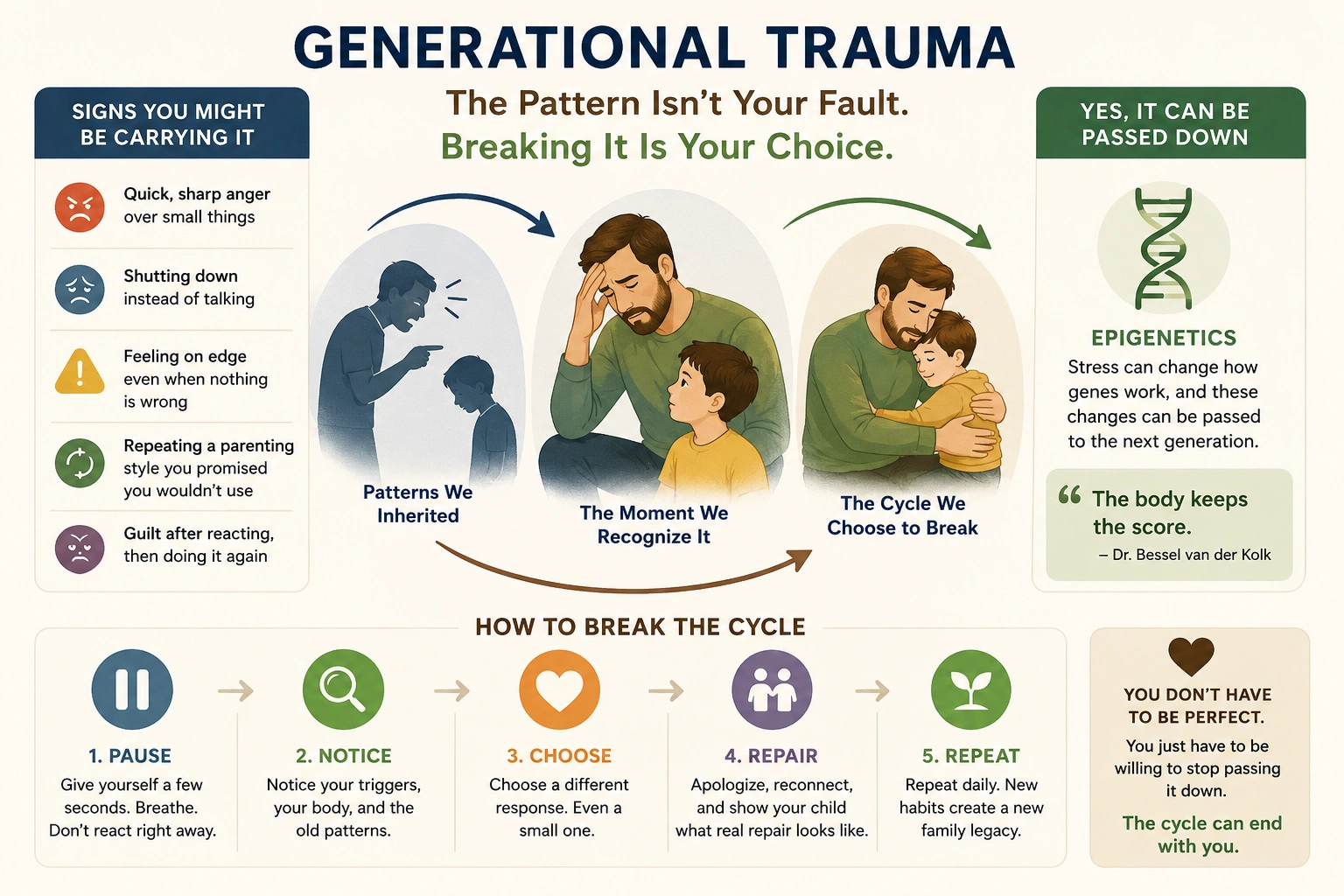
How TBRI Breaks Generational Patterns (The Real Healing Beneath Behavior)
The real power behind trust-based relational intervention goes deeper than improving behavior.
It’s a pattern change.
Many of the reactions we have as caregivers are learned, passed down through generations.
TBRI interrupts that pattern by:
- Slowing down reactivity
- Building connection
- Supporting nervous system regulation through connection, emotional attunement, and consistent caregiving responses
This is how trauma-informed parenting begins to break cycles, not through force, but through awareness and practice.
When Additional Support May Be Needed
While many families can begin applying TBRI principles at home, some situations may benefit from additional support.
Consider reaching out to a trauma-informed professional if your child experiences:
- Frequent aggressive behavior
- Severe emotional outbursts
- Ongoing anxiety or withdrawal
- Significant attachment challenges
- Behaviors that create safety concerns
TBRI can be a powerful framework, but parents do not have to navigate every challenge alone. Additional support can provide guidance, clarity, and tools tailored to a child’s specific needs.
How to Learn More About TBRI (Training, Tools & Next Steps for Caregivers)
TBRI training helps caregivers, including parents, grandparents, educators, and foster caregivers learn how to apply trauma-informed strategies that build trust, connection, and emotional regulation in everyday situations.
If you want to go deeper, there are structured TBRI training (for parents) programs available, including:
- Introductory courses (like TBRI 101)TBRI 101 is a beginner-level introduction that teaches the foundations of trust-based, trauma-informed caregiving and emotional regulation strategies.
- Caregiver-focused workshops
- Professional certification paths
But here’s the important part:
You don’t need to know everything to start.
Even small changes in how you respond can create meaningful shifts.
If you’re looking for a deeper understanding of how trauma-informed parenting works in everyday life, explore The Drama-Free Parent, where Richard Dixson shares practical ways to respond with more calm, connection, and confidence.
Where Real Change Starts (Small Moments That Break Old Patterns)
You don’t need to fix everything at once, and trying to usually backfires.
Start with what actually happens in real time.
One moment where you pause instead of reacting. One breath that changes the direction of the interaction. One softer response when your body wants to escalate. One choice to stay connected instead of controlling the moment.
These are not small steps; they are the exact points where cycles begin to break.
Because real change doesn’t start with big parenting strategies. It starts in the split second where you choose a different response than the one you inherited.
And if you notice these patterns showing up in your own reactions, this is exactly where deeper healing work begins.
This Is the Moment Where You Decide What Changes Next
If you’ve read this far, something in your experience is already being recognized, not just in theory, but in real life.
Because most caregivers don’t struggle from lack of knowledge… they struggle in the exact moment when emotion takes over.
You already understand what is happening. You’ve seen the pattern. You’ve felt the cycle repeat.
Now the real question becomes:
👉 Do you continue reacting the same way…or do you start changing the way the moment is handled?
This is where awareness turns into choice.
Is TBRI only for young children?
No. TBRI strategies can be adapted for toddlers, school-aged children, teenagers, and even young adults depending on their developmental and emotional needs.
Key Takeaways
- TBRI stands for Trust-Based Relational Intervention.
- It helps caregivers understand the needs behind behavior.
- Connection comes before correction.
- Emotional regulation supports better behavior.
- Small, consistent responses create lasting change.
- TBRI benefits foster, adoptive, kinship, and biological families.
Final Shift: From Understanding TBRI to Actually Using It in Real Moments
Understanding TBRI is only the beginning.
The real change happens when these ideas start showing up in everyday interactions, especially during the moments that would normally lead to conflict, frustration, or disconnection.
Over time, small shifts in how you respond can create meaningful changes in trust, regulation, and cooperation.
And if you’re looking for ongoing support, practical resources, and encouragement as you continue this journey, explore The Parents Hub.
You’ll find tools, guidance, and a community focused on helping foster, adoptive, kinship, and caregiving families parent with more calm, connection, and confidence.