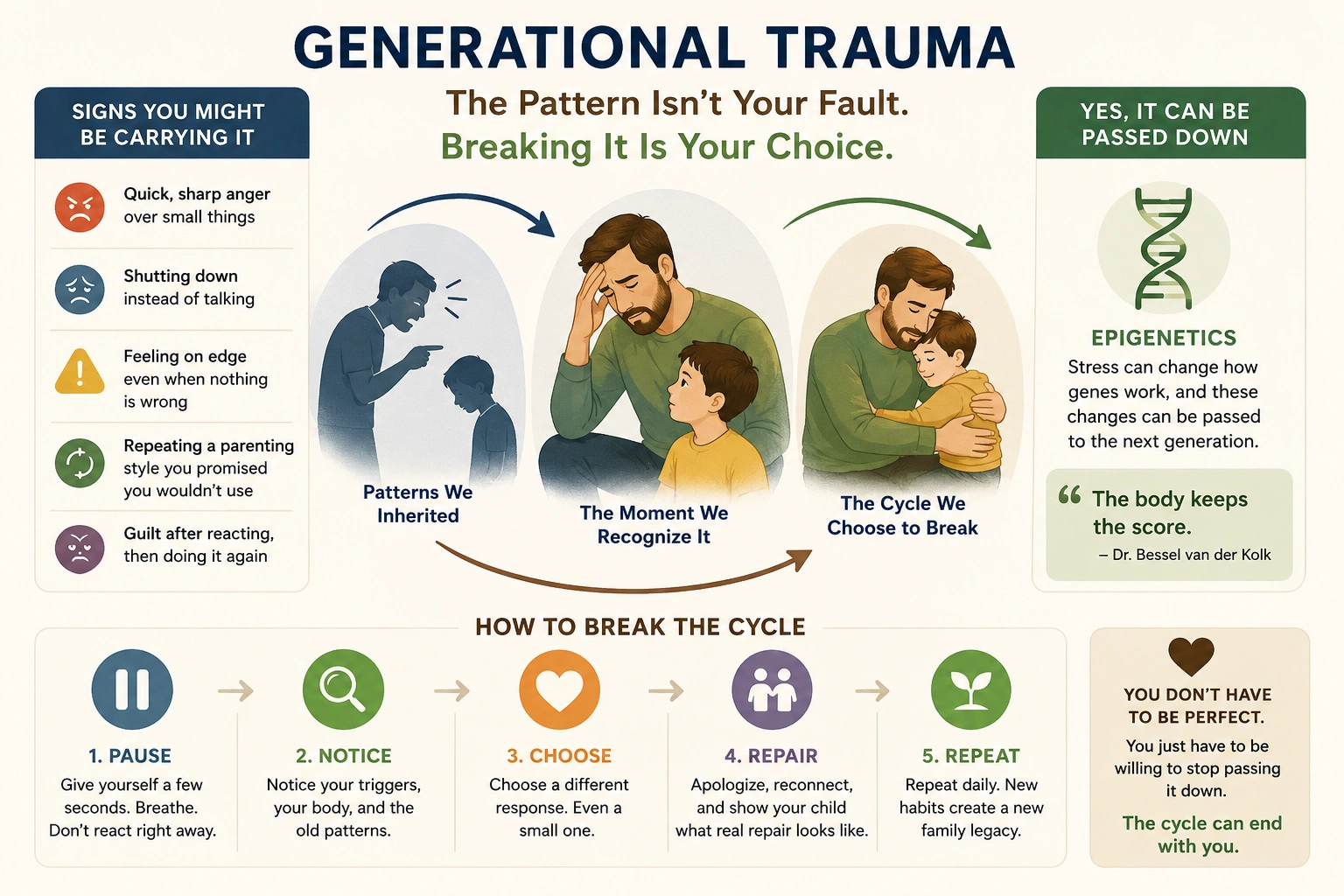

TBRI parenting changed our bedtime routine when I stopped treating bedtime struggles like bad behavior and started focusing more on connection, emotional safety, and regulation before sleep.
Once I began using a more connection-based parenting approach instead of constantly correcting behavior, our nights slowly became calmer, shorter, and less emotionally exhausting for everyone in the house.
For a long time, bedtime felt like the breaking point of our day.
One more snack.
One more hug.
One more meltdown after the lights went out.
And honestly, the harder I pushed bedtime, the harder bedtime pushed back.
By the end of the night, I felt frustrated, overstimulated, and emotionally drained. My child felt the same way.
That’s when I realized our bedtime routine did not need more pressure. It needed a different approach.
Why Bedtime Started Feeling So Hard
Most bedtime struggles with kids are not really about sleep.
Sometimes your child is carrying the emotional overload of the entire day into bedtime. That is often why bedtime meltdowns can feel so intense after long school days or emotionally overwhelming afternoons. And when the house finally gets quiet, all that dysregulation starts showing up through resistance, tears, stalling, anger, or clinginess.
For a while, I thought I needed:
- stricter routines
- firmer consequences
- better listening
But TBRI parenting helped me understand something I had completely missed. My child needed connection and regulation before correction.
That mindset shift changed how I responded at bedtime.
I talk more about this idea in connection before correction because, honestly, that principle changed more in our home than almost any parenting strategy I had tried before.
What I Didn’t Understand About Bedtime Behavior Until I Learned TBRI Parenting
One of the biggest things trust-based relational intervention parenting taught me was this:
A dysregulated child usually cannot respond calmly to a dysregulated parent.
That was hard for me to admit at first.
Because sometimes I was entering bedtime already stressed, rushed, and emotionally exhausted.
So bedtime became a cycle:
- my child resisted
- I became more frustrated
- they became more overwhelmed
- bedtime escalated even more
The TBRI approach helped me start looking at bedtime differently.
Instead of asking, “How do I stop this behavior?”
I started asking: “How do I help my child feel safe enough to settle?”
That question completely changed the emotional tone of our nights.
The Small TBRI Parenting Changes That Started Calming Our Nights
The biggest surprise was that the changes were actually small. I did not create some perfect Pinterest bedtime routine. I simply started responding differently.

1- I Stopped Rushing Bedtime Transitions
Before, bedtime felt abrupt.
“Go brush your teeth.”
“Hurry up.”
“Why are you still awake?”
Now I try to slow the transition down before bedtime even starts.
- Lower lights.
- Lower noise.
- Less stimulation.
Even a small emotional transition made a huge difference in our TBRI bedtime routine.
2- I Focused on Connection Before Correction
This became one of the biggest shifts in our home. Instead of leading with commands, I started leading with connection.
Sometimes that looked like:
- sitting quietly together
- reading calmly
- talking about the day
- reassuring my child physically and emotionally
And honestly, five minutes of connection often prevented thirty minutes of bedtime battles.
That is why I believe so strongly in calmer, emotionally safe parenting approaches now.
If you struggle with reacting during stressful parenting moments, you may also relate to these calmer parenting responses.
3- I Stopped Treating Dysregulation Like Defiance
This was probably the hardest change for me personally.
Because when you are exhausted at the end of the day, everything can start feeling disrespectful.
But trauma-informed parenting helped me recognize that many bedtime behaviors were actually signs of overwhelm, emotional stress, or nervous system dysregulation.
That did not mean removing boundaries. It meant responding with more calm and co-regulation first.
And over time, bedtime became less emotionally intense for all of us.
What Our TBRI Bedtime Routine Looks Like Now
Our bedtime routine is still simple. But now it feels calmer, more predictable, and emotionally safer.
Most nights look something like this:
- A calmer transition before bed
- Lower stimulation throughout the house
- Connection time before instructions
- Predictable bedtime steps
- Calm reassurance after lights out
- Consistent responses without escalating emotions
Some nights are still difficult. But bedtime no longer feels like a nightly emotional battle.
And honestly, that change has impacted our entire home.
Why the TBRI Approach Worked Better Than More Punishment
For us, punishment was never solving the real problem.
It might stop behavior temporarily, but it did not help my child actually feel calmer or safer at bedtime.
The TBRI approach helped me realize that children often need:
- emotional safety
- connection
- co-regulation
- predictability
before they can fully settle themselves.
That shift changed not only bedtime but also the way I approached parenting in general.
And the more I practiced connection-based parenting, the more I noticed my child responding differently too.
What Changed in Our Home After We Started Using TBRI Parenting
The biggest change was not perfection.
It was peace.
- Less yelling.
- Less emotional exhaustion.
- Less shame at the end of the night.
And honestly, I started feeling calmer too. Not because parenting suddenly became easy.
But because I finally had a framework that helped me respond differently during hard moments instead of constantly reacting emotionally.
Over time, I realized many parents were carrying this same bedtime exhaustion silently.
That is also one reason I created The Drama-Free Parent book. I wanted parents to have practical tools for handling emotionally intense moments without feeling trapped in the same exhausting cycles every day.
And if you want a deeper step-by-step approach for changing the emotional tone of your home, 21 Days to a Drama-Free Home goes even further into the connection-based parenting patterns that helped transform our routines, reactions, and relationships at home.
If bedtime has been feeling emotionally exhausting in your house lately, I want you to know this:
You are not failing.
Sometimes small changes in connection, regulation, and emotional safety can completely change the way your nights feel over time.