
Parenting a child with Reactive Attachment Disorder (RAD) works best when you use reactive attachment disorder parenting strategies built around nervous system regulation instead of punishment. Calm connection comes first. Correction comes second. Consistency, predictable routines, and felt safety help your child slowly learn that you are safe to trust.
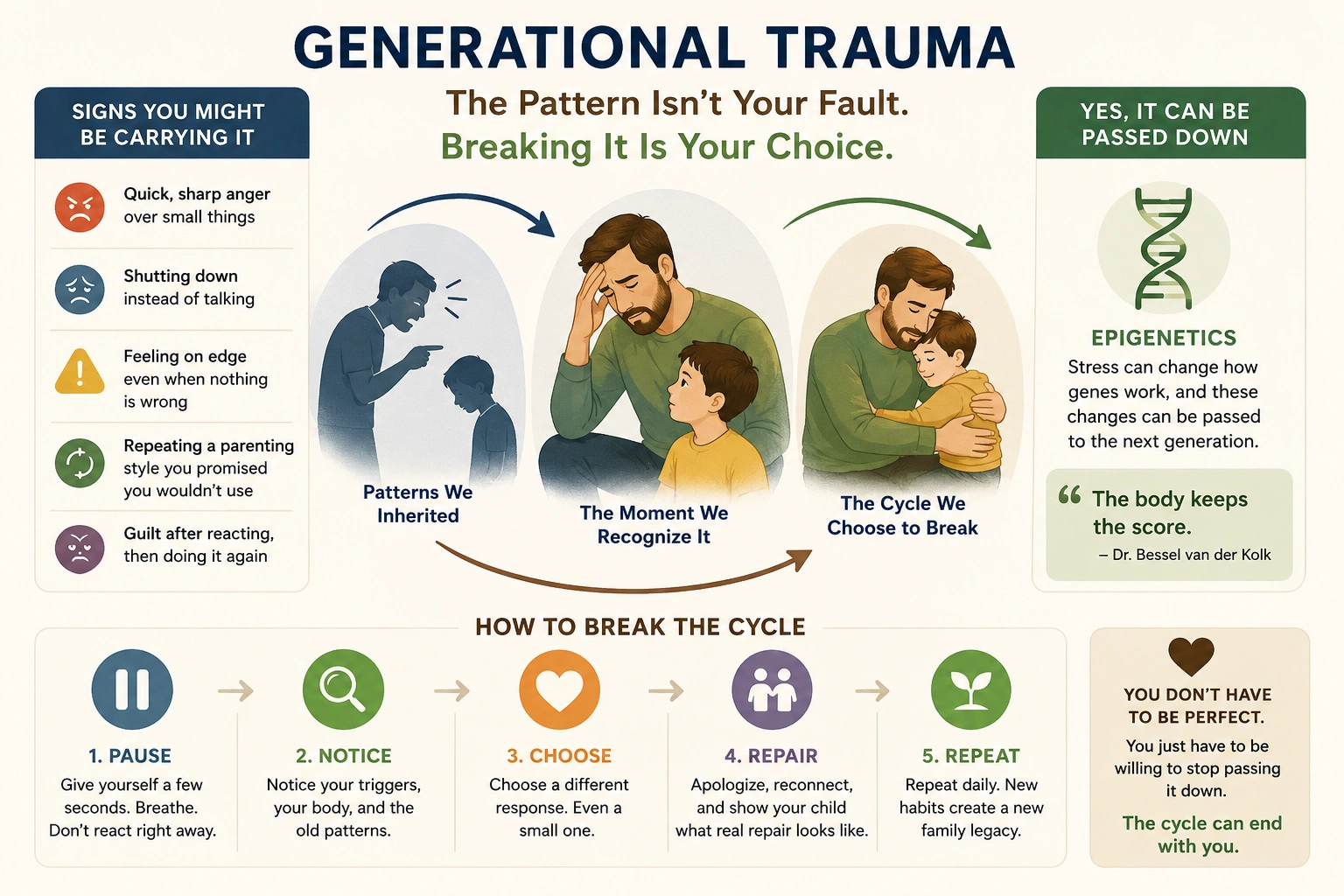
If you’re here, you’re probably running on empty. Maybe your child pushed you away again today. Maybe nothing you try seems to land. I want you to know something before we go any further: this isn’t a parenting failure. It’s a nervous system that learned, long before you came along, that people can’t be counted on.
Over the years, I’ve worked with parents who believed they were failing, when in reality they were trying to parent trauma with tools designed for typical child development.
Let’s talk about what’s actually happening, and what helps.
Why Parenting a Child With RAD Feels Different
Most parenting advice assumes a child already trusts you. RAD flips that assumption.
It’s possible that your child had early instability, many caretakers, or neglect. Their brain adapted to survive that. Pulling away, controlling small things, testing you these aren’t manipulation. They’re old survival skills, still running.
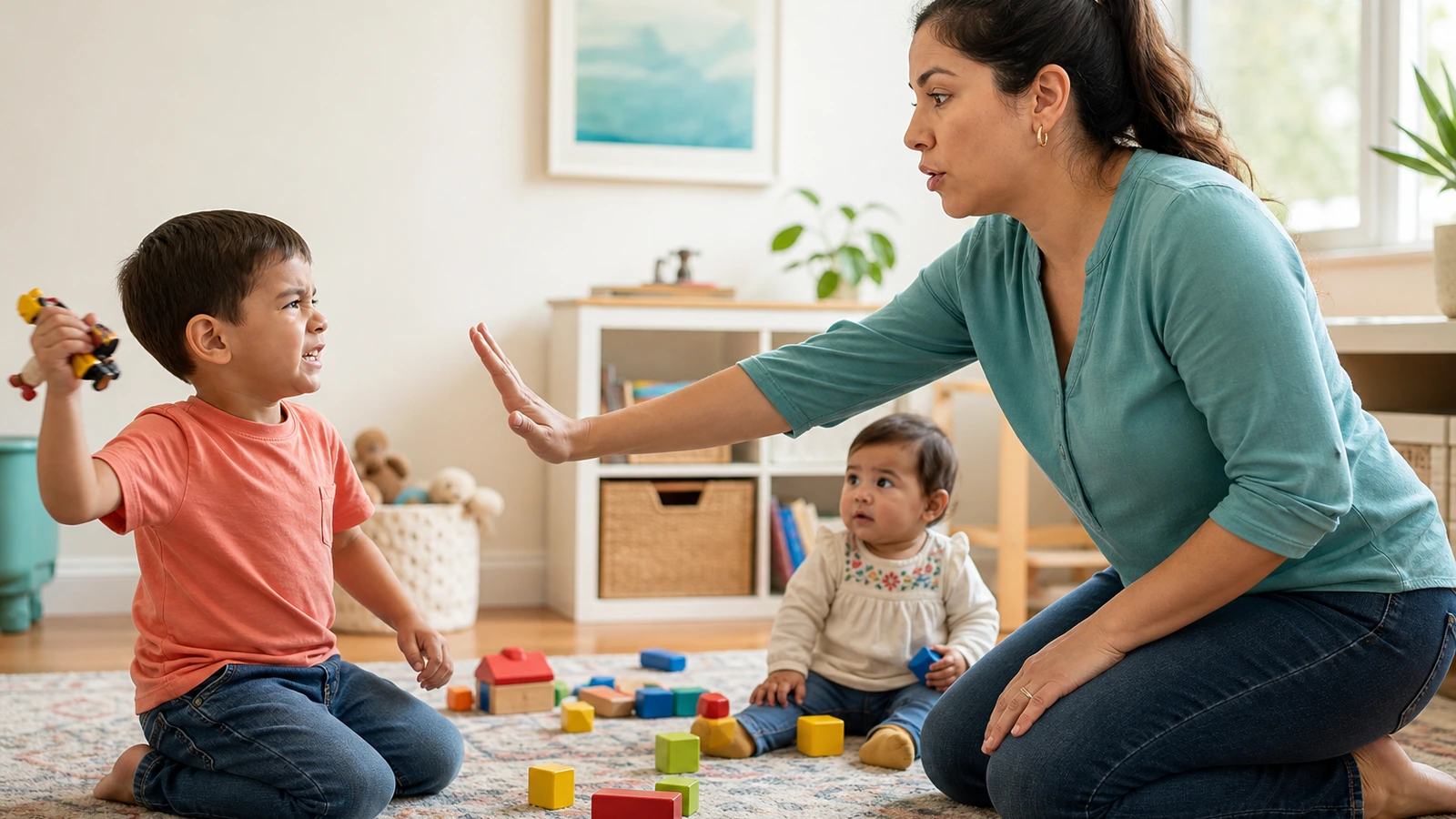
That’s why timeouts, reward charts, and typical discipline often backfire here. Your child isn’t misbehaving on purpose. Their body is reacting to old danger, even when today is safe.
This is the part most parents aren’t told upfront: your good instincts, the ones that work for other kids, can accidentally make things harder here. A warm surprise hug. A reward chart. A firm timeout. Each one can register as unsafe to a nervous system still bracing for the next disappointment.
That doesn’t mean your parenting is wrong. It means this child needs a different map, one built on nervous system safety before anything else.
You’re also not as alone in this as it feels. Research reviewed in the National Library of Medicine estimates RAD affects roughly 1 to 2 percent of children, most often those with a history of neglect or institutional care. That’s a real, documented pattern not something you imagined or caused.
What Your Child’s Behavior Is Really Communicating
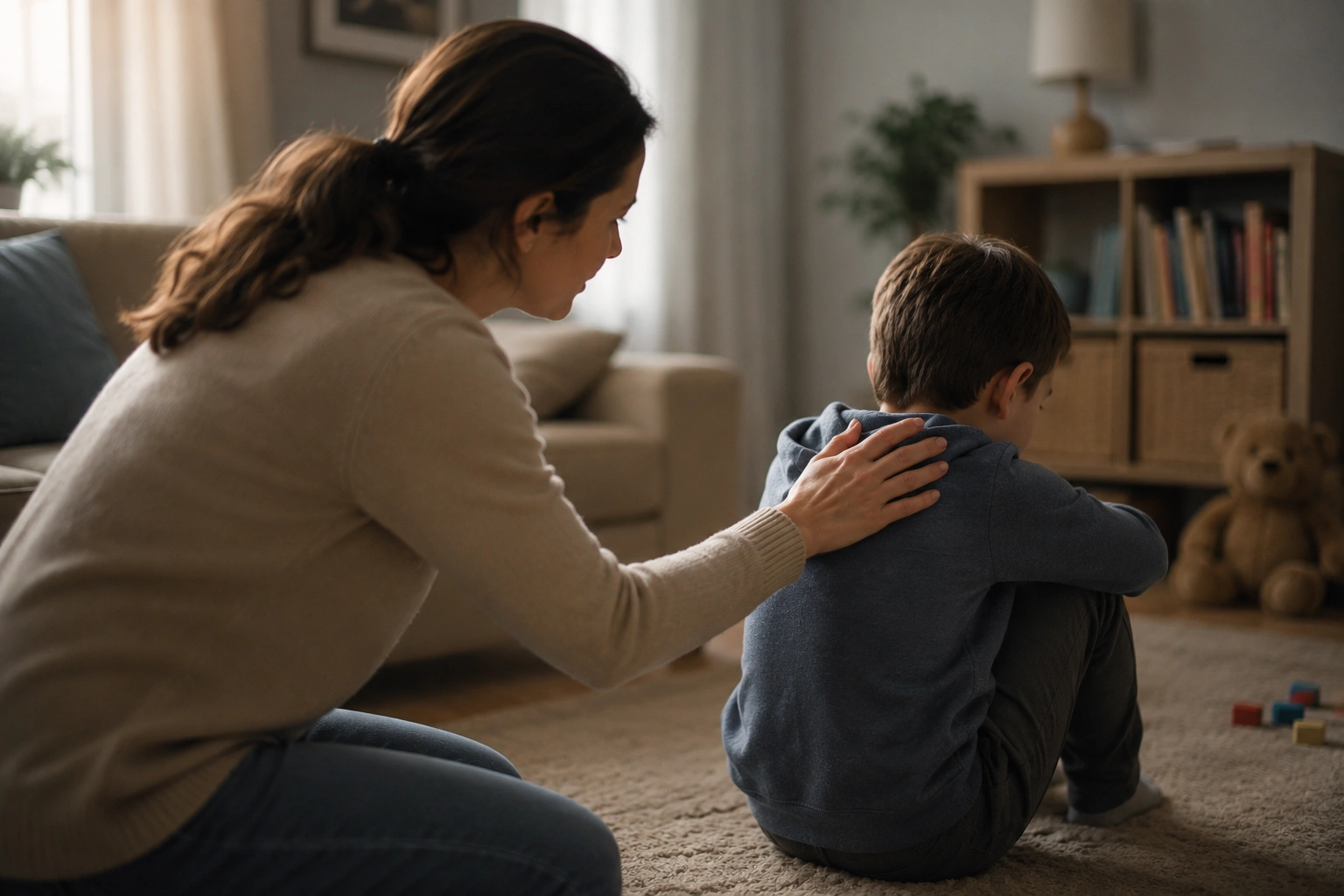
Behavior is communication. With RAD, it’s usually saying one of these things:
- “I don’t believe you’ll stay.”
- “If I control this, I feel safer.”
- “Closeness once meant pain, so I’ll avoid it.”
- “I’m testing whether you’ll leave like everyone else did.”
Once you hear it this way, the meltdown looks different. It’s not defiance. It’s scary wearing a loud costume.
Think about the last blow-up over something small: a sock, a snack, a change of plan. It rarely was really about the sock. It was about control, and control is often the only safety a hurting child knows how to hold onto. Once you see the fear underneath, you can respond to that instead of the surface behavior. If you want to go deeper on reading these signals, this breakdown of what your child’s behavior is actually communicating is a good next read.
Quick Summary
Reactive Attachment Disorder often causes children to see relationships through the lens of survival instead of safety. Behaviors like withdrawal, control, or rejecting affection are often protective responses rather than intentional defiance.
10 Trauma-Informed Parenting Strategies That Actually Help
Children with Reactive Attachment Disorder don’t need perfect parents. They need predictable, emotionally safe caregivers who respond with consistency instead of fear. The strategies below are designed to help build trust one small interaction at a time.
- Regulate yourself before responding.
- Connect before correcting.
- Keep routines predictable.
- Offer small choices.
- Lower your voice during stressful moments.
- Prepare your child for transitions.
- Don’t take rejection personally.
- Wait until calm returns before teaching.
- Build trust through consistency.
- Get support for yourself.
1. Regulate yourself first.
Your calm is contagious. Before you respond, take one slow breath. Your child’s nervous system reads yours before it reads your words
If staying calm feels harder than it sounds, you’re not failing, you’re human. Many of us are trying to parent differently than we were parented ourselves. That’s exactly why I created the 3-Day Calm Reset Guide. It gives you simple, practical exercises to help regulate your own nervous system before responding to your child’s.
2. Connect before you correct.
Say “I see you’re upset” before addressing the behavior. Connection lowers defenses. Correction without connection raises them. This one principle connection before correction changes more than any single technique on this list.
If you’re trying to move away from fear-based parenting but aren’t sure what to do instead, I share more trauma-informed tools and real-life examples throughout Drama Free Parent. It’s written for parents who want practical guidance, not perfection. This is the heart of drama-free parenting: responding to the nervous system before reacting to the behavior.
3. Keep routines predictable.
Same wake-up time. Same after-school steps. Same bedtime order. Predictability builds felt safety, one repeated day at a time.Read more in detail here: predictable routines and meltdowns.
4. Offer small choices.
Children recovering from early trauma often feel safest when they have some control over their environment. Offering two safe choices helps meet that need without giving up healthy boundaries.
“Would you like to do your homework at the table or on the couch?”
Small choices reduce power struggles while teaching cooperation.
5. Don’t raise your voice; instead, lower it.
A quiet, steady tone tells a frightened nervous system: no threat here. Yelling confirms the opposite.
6. Narrate transitions before they happen.
“In ten minutes, we clean up, then eat.” Transitions are frequently the most intense periods of RAD behavior.
7. Don’t take rejection personally.
Pushing you away can actually mean your child feels something toward you. They’re testing whether you’ll leave anyway. If this is the hardest part for you, learn more in our guide: why your child melts down with you.
8. Address behavior after calm returns, not during the storm.
Consequences delivered mid-meltdown rarely teach anything. Wait for stillness first.
9. Build trust in small, repeated moments.
Trust isn’t built in one big gesture.It is the result of a thousand tiny, fulfilled promises.
10. Get support for yourself.
A regulated parent needs their own outlet therapy, a support group, or simply another adult who understands this specific kind of tiredness.
What to Avoid
Avoid these common parenting traps that unintentionally increase fear instead of trust:
- Don’t rely on long isolation as discipline. It can confirm the exact fear RAD is built on abandonment.
- Don’t engage every power struggle. Save your energy for what actually matters, and let the small stuff go.
- Don’t expect quick trust. Healing here is slow, and slow is still progress, even when it doesn’t feel like it.
- Don’t parent this completely alone. This work needs a team around you: a therapist, a support group, another caregiver who understands.
- Don’t compare your child’s timeline to another child’s. Every nervous system heals at its own pace.
Key Takeaway
Children with Reactive Attachment Disorder are more likely to respond to calm, consistent caregiving than fear-based discipline. Small, predictable moments of safety repeated over time help build trust more effectively than harsh consequences or power struggles.

A Simple Daily Routine Example
Mornings: same wake-up time, same short checklist, no surprises.
After school: a calm reconnect moment before homework or chores begin. Even five quiet minutes together, no questions asked, tells your child’s body they made it home safe.
Evenings: predictable steps toward bedtime, narrated in advance, so nothing feels sudden. Bedtime: a short, calm ritual with the same words, same order, every night. Repetition here isn’t boring. It’s medicine.
None of this needs to be perfect. It needs to be repeatable. A routine you can actually keep, even an imperfect one, builds more trust than an ambitious one you abandon after three days.
For children with RAD, routines are more than schedules, they’re repeated evidence that the world is becoming predictable and safe.
When Professional Help Matters
Parenting strategies matter, but RAD generally responds best alongside professional treatment. Look for a therapist trained in early childhood trauma and attachment ideally one experienced in approaches like Dyadic Developmental Psychotherapy (DDP) or Trust-Based Relational Intervention (TBRI). If you want to understand what TBRI actually looks like day to day, here are the core principles every parent should know.
Diagnosis follows specific clinical criteria, laid out by sources like Mayo Clinic, which is why an actual assessment matters more than a checklist you found online.
If your child shows aggression toward themselves or others, or symptoms are getting worse instead of better, reach out to a child psychologist or pediatrician soon. This guide supports your parenting. It doesn’t replace clinical care.
Frequently Asked Questions
What is the best parenting style for a child with RAD?
Trauma-informed parenting works best regulation and connection before correction, with predictable routines and calm leadership.
Does punishment work for RAD?
Traditional punishment usually backfires. It can confirm a child’s fear of abandonment instead of teaching safety.
Can a child with RAD improve?
Yes. With consistent, trauma-informed caregiving and the right therapy, real improvement is possible, even though it takes time.
Is RAD the same as autism?
No. They can look similar on the surface, but RAD comes from early relational trauma, while autism involves different sensory and social processing. With the right evaluation, a trained physician can tell the difference between them.
How long does treatment take?
There’s no fixed timeline. Progress is usually slow and steady rather than sudden, often measured in months and years, not weeks.
Should siblings be involved in the parenting approach?
Yes, gently. Siblings benefit from understanding that their sibling’s behavior comes from trauma, not dislike of them.
Can biological parents have a child with Reactive Attachment Disorder?
Yes. Although RAD is commonly associated with foster care or adoption, biological children can also develop Reactive Attachment Disorder if they experience severe neglect, inconsistent caregiving, or prolonged emotional deprivation early in life.
You’re Doing Better Than It Feels
Some days will still be hard. The ground you’ve already walked is not erased by that.
Every calm response you give, every routine you keep, every time you stay instead of leaving your child’s nervous system is quietly taking notes. Trust builds in the small, repeated moments, not the big ones.
Healing doesn’t happen on a weekend, and parenting through trauma isn’t something you should have to navigate by yourself.
If you’re ready to keep learning beyond this, the Parents Hub gives you practical trauma-informed parenting tools, encouragement, and a supportive community to help you stay steady through the hard days.
Keep showing up. That’s the work, and you’re already doing it.