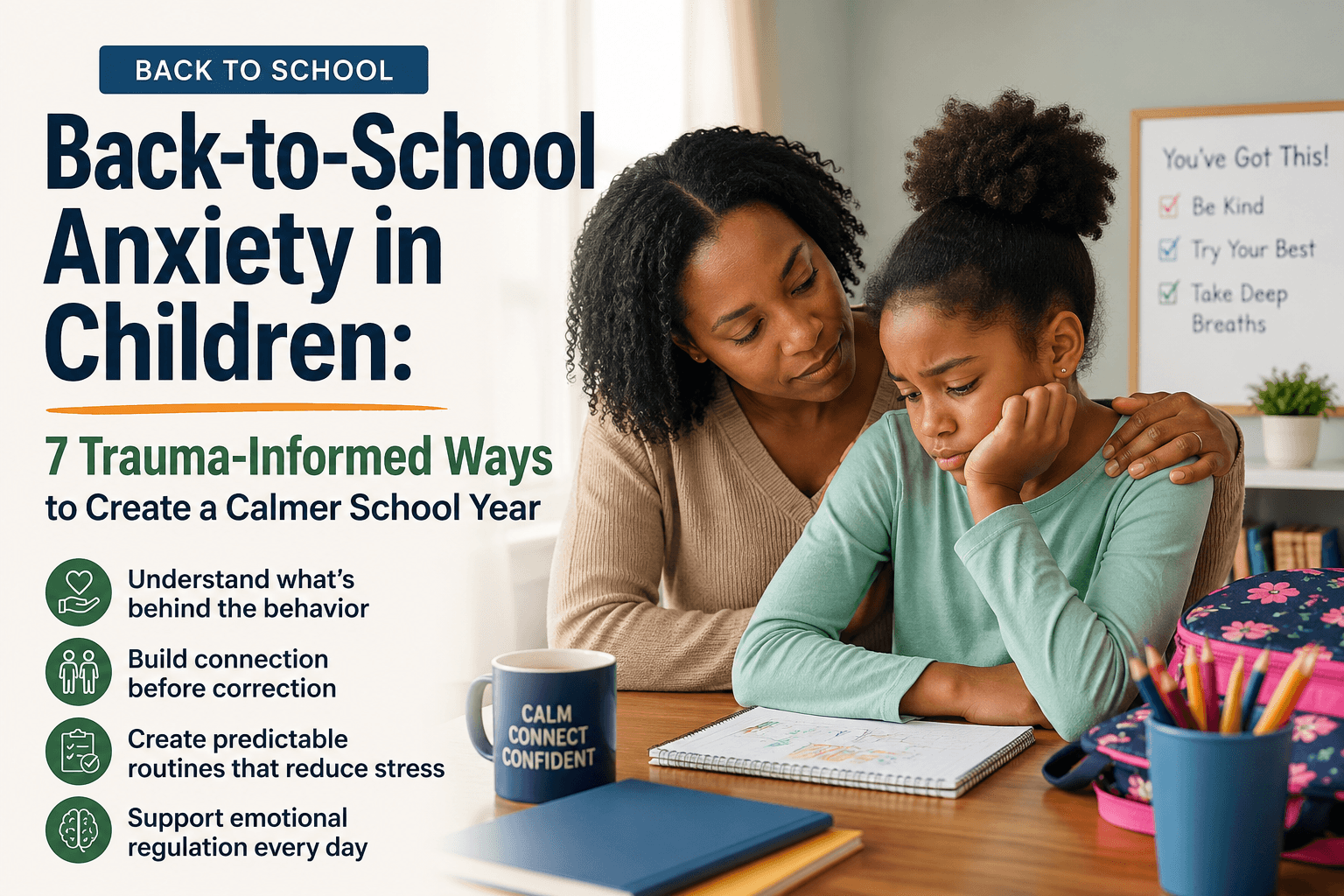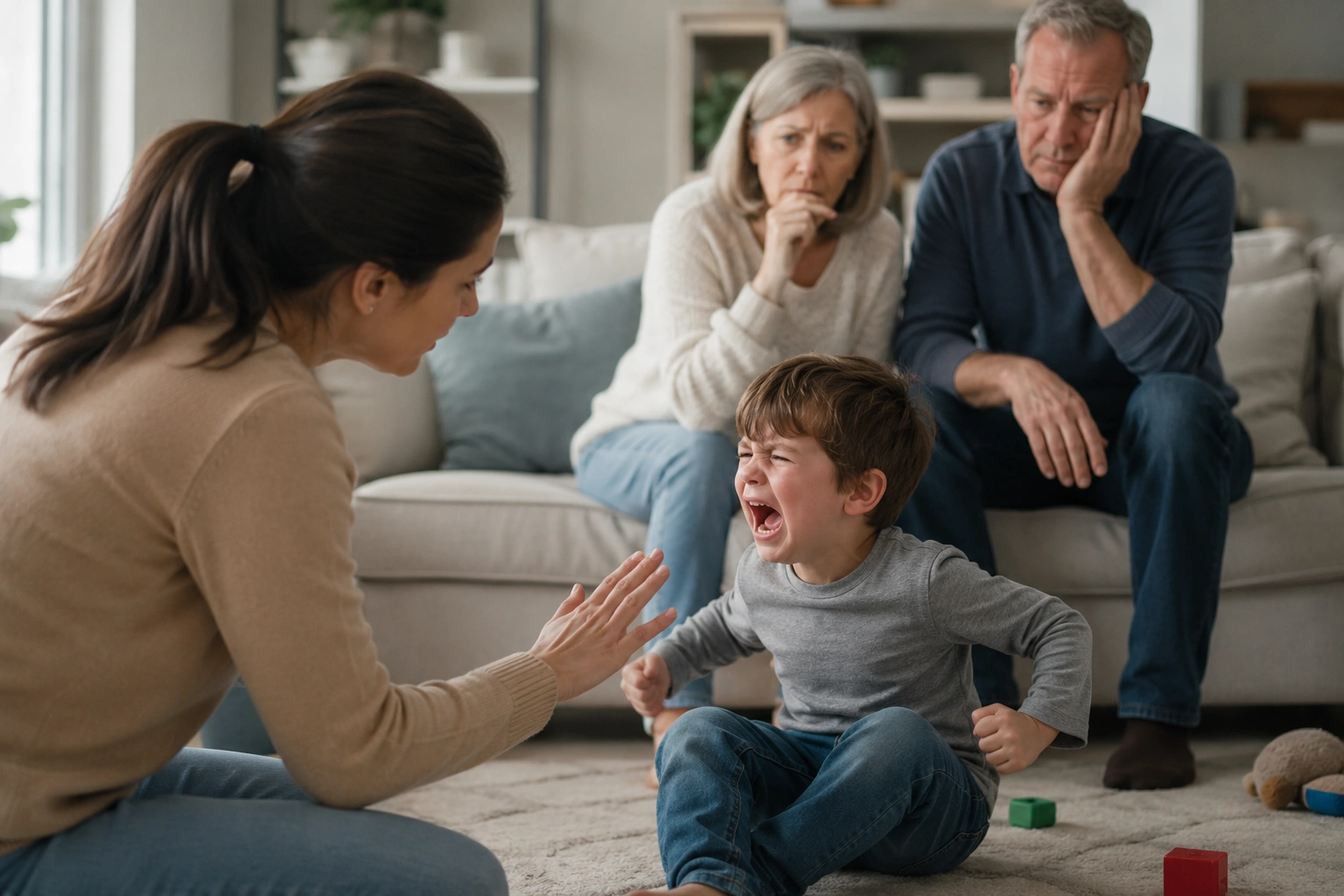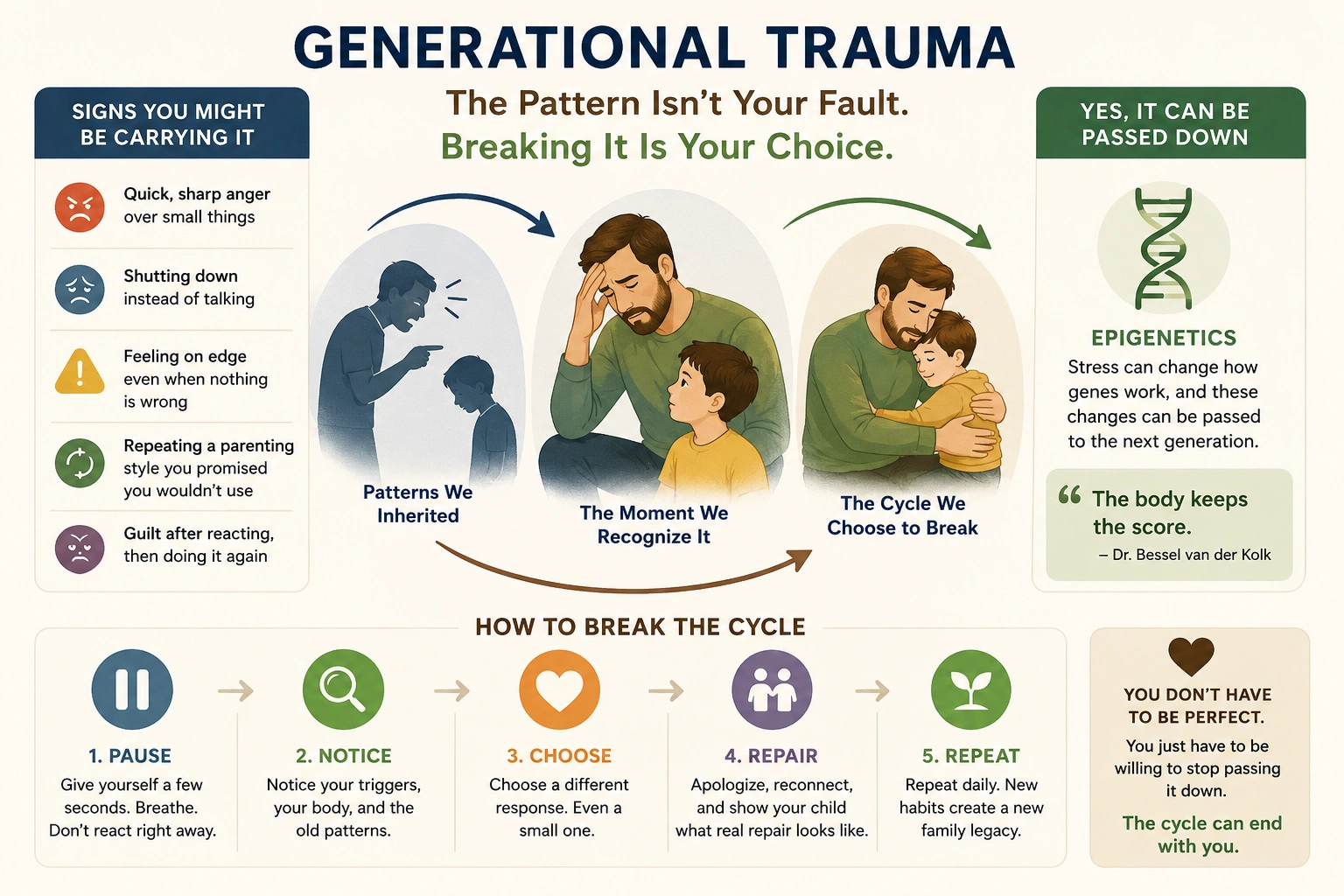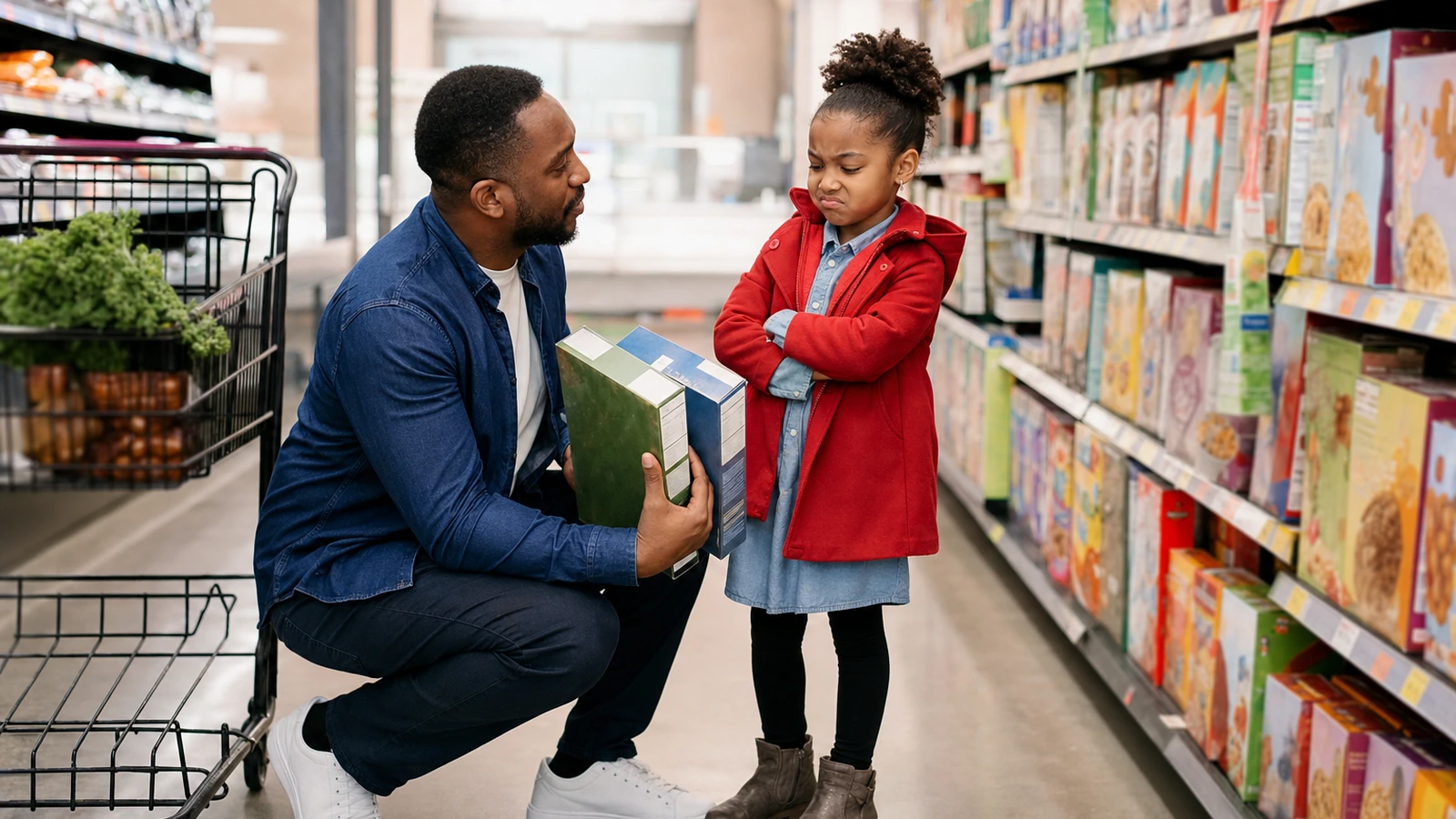
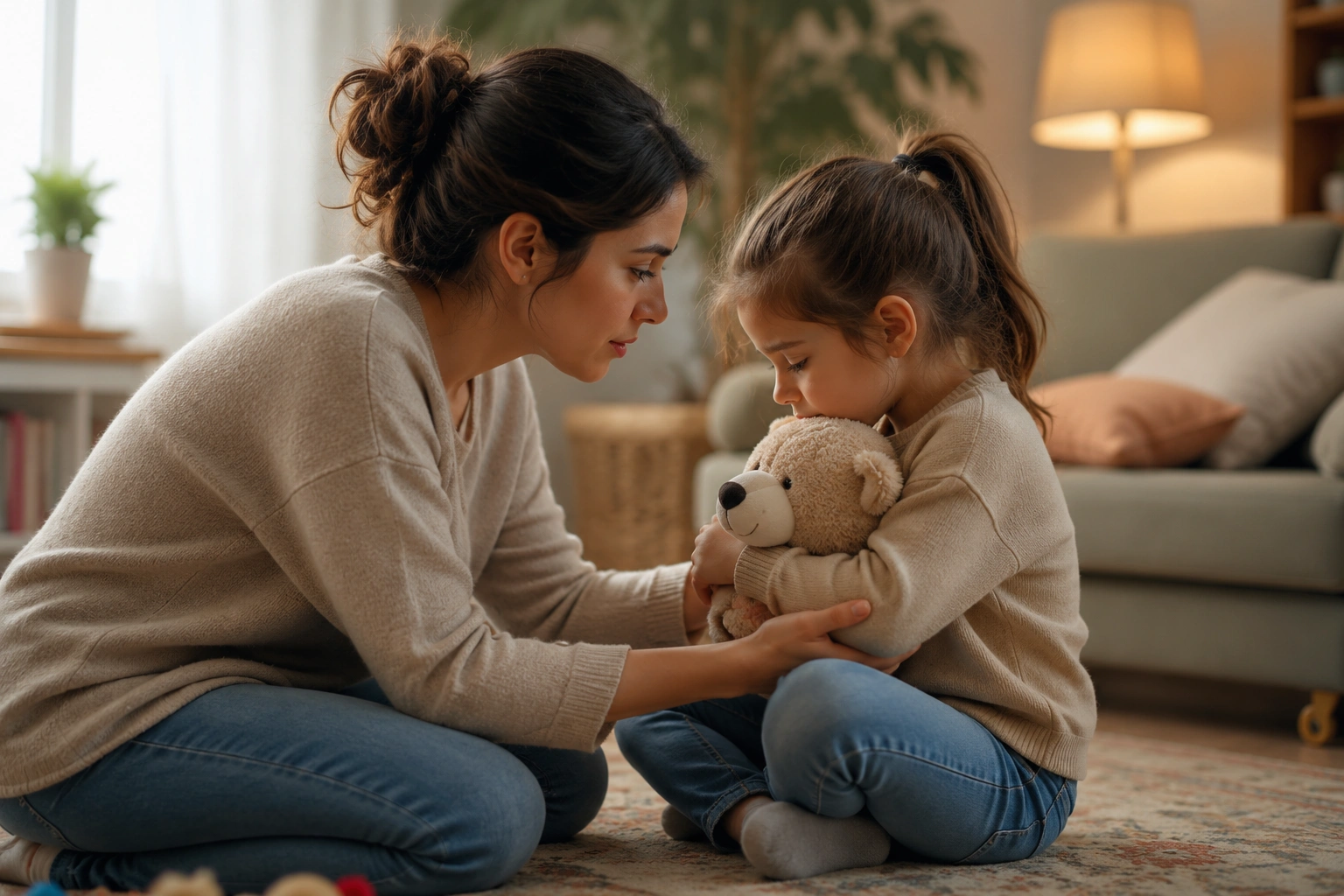
You ask your child to calm down, stop yelling, or take a deep breath during a meltdown… but instead of calming down, they get even more upset.
Many parents think self-regulation means children should calm themselves down on their own. But most children first learn emotional regulation through co-regulation. This is when a calm and safe adult helps a child’s nervous system feel calm during stressful moments.
I’ve noticed that once parents understand this difference, many hard parenting moments start making more sense. Children are often not trying to be difficult during emotional overwhelm. Many times, they simply do not yet know how to manage big feelings by themselves.
That is one of the biggest differences between co-regulation and self-regulation. And understanding it can change the way you respond to tantrums, bedtime struggles, and other hard moments.
What Is Co-Regulation?
Co-regulation is when a parent or safe adult helps a child handle big emotions with calm support, connection, and emotional safety.
Instead of expecting the child to calm down right away, the adult helps the child feel safe first, which is also explained in “Why You Have to Connect Before You Correct.”
For example, during a tantrum, co-regulation might look like:
- speaking softly
- staying calm
- sitting nearby
- helping your child feel safe
What Is Self-Regulation?
Self-regulation is the ability to handle emotions and reactions more independently over time.
It includes skills like:
- calming down after frustration
- stopping before reacting
- handling stress better
- self-soothing during hard moments
These skills are closely connected to how children’s behavior is understood in “What Your Child’s Behavior Is Actually Communicating.”
For example, a child taking deep breaths after getting upset or walking away to calm down is showing self-regulation skills.
Co-Regulation vs Self-Regulation: Main Differences
The biggest difference between co-regulation and self-regulation is support.
Co-regulation happens with another person. Self-regulation happens more independently.
Another important difference is development.
| Aspect | Co-Regulation | Self-Regulation |
| Who is involved | Caregiver + child | Individual |
| Emotional support | Comes from a safe adult | Comes from within |
| When it develops | Early childhood | Gradually over time |
| Nervous system role | Helps calm overwhelm | Helps manage emotions independently |
| Built through | Connection and emotional safety | Practice and emotional resilience |
Co-regulation comes first. Self-regulation develops later when the areas of the brain that help youngsters manage emotions, control reactions, and cope with stress increase throughout time.
This is why telling a dysregulated child to “just calm down” often does not work. During overwhelming moments, children usually need connection before they can use self-control.
And contrary to what many parents think, self-regulation is not better than co-regulation. Children usually learn healthy self-regulation through repeated experiences of calm support, safe connection, and emotional safety.
Why Children Need Co-Regulation Before Self-Regulation
I’ve noticed that many children who seem “difficult” are actually feeling emotionally overwhelmed inside. They are not always trying to misbehave or make things harder. Many times, their nervous system is simply struggling with stress, frustration, or big emotions they do not yet know how to handle on their own.
Research from Harvard’s Center on the Developing Child also shows that children need safe and supportive relationships with adults to build healthy emotional regulation and better handle stress, which also connects with ideas in “The 3 Core TBRI Principles.”
When children feel emotionally safe and connected, it becomes easier for the nervous system to move out of stress and slowly calm down again.
That is why co-regulation matters so much during:
- tantrums
- transitions
- bedtime struggles
- emotional shutdowns
- stressful situations
Over time, repeated experiences of co-regulation help children build:
- emotional resilience
- frustration tolerance
- healthier stress responses
- stronger self-soothing skills
In simple words, children borrow calm from safe relationships before they can create it on their own.
Helping Your Child Build Emotional Regulation Starts With Connection
Understanding the difference between co-regulation and self-regulation is important. But using it during hard parenting moments is usually the difficult part.
If your child struggles with big emotions, tantrums, or stress, you do not need more shame or pressure. You need simple tools that help you stay calm, connected, and supportive during hard moments.
That’s why I created the free Drama-Free Parenting Guide. It shares easy nervous-system-based strategies that help reduce yelling, emotional chaos, and daily power struggles.
And if you want more support, The Drama Free Parent and the 21-Day Drama Free Home go deeper into simple parenting changes that help families build calmer and more peaceful homes over time.