
The room goes quiet. Your child looks hurt, angry, or frightened. The words you wish you could pull back are still hanging in the air, and your own body is buzzing with regret.
If you are wondering what to do after yelling at your child, begin here: do not pretend it did not happen, and do not decide that one painful moment makes you a terrible parent. Take responsibility, restore safety, and repair the relationship one honest step at a time.
Repair does not erase the yelling. It does something more useful: it shows your child what accountability looks like after a mistake. It also gives you a way to return to the boundary without blaming, shaming, or asking your child to comfort you.
At a Glance
After yelling at your child:
- Pause and regulate your own body.
- Check safety and lower the intensity.
- Apologize clearly without adding an excuse.
- Listen, reconnect, and restate the boundary calmly.
- Study the trigger and make a specific plan for next time.
You do not need a perfect speech. Your child needs a calmer adult who is willing to tell the truth, listen, and try again.
First, Make Sure Everyone Is Safe
If the conflict involves hitting, throwing, running toward traffic, unsafe driving, threats, or another immediate danger, address safety before having a repair conversation. Move dangerous objects, create physical space, bring in another trusted adult when needed, and seek emergency help if anyone may be harmed.
If everyone is physically safe, stop adding words. When a parent is flooded with anger or panic, more explaining often becomes more lecturing. Your first job is to help your nervous system come down enough that you can speak without continuing the attack.
Try a brief reset:
- Put both feet on the floor.
- Unclench your jaw and lower your shoulders.
- Exhale more slowly than you inhale.
- Take a drink of water.
- Say, “I need a minute to calm my body. I will come back.”
That final sentence matters. Walking away without explanation can feel like rejection, especially to a child with a history of separation or unpredictable caregiving. Name the pause and promise to return. Then keep that promise.
For more help understanding why a parent’s body can react before the thinking brain catches up, read Why You Keep Reacting Even When You Know What to Do.
Why Repair After Yelling Matters

Children do not need adults who never make mistakes. They need adults who make safety, responsibility, and reconnection visible.
Without repair, a child may be left to answer difficult questions alone: Was it my fault? Is the relationship still safe? Will this happen again? Am I bad? Repair replaces that uncertainty with a clear message: the adult was responsible for the yelling, the relationship still matters, and the family can talk about what happens next.
Repair also protects the difference between the behavior and the child. You may still need to address a broken rule, an unfinished responsibility, or an unsafe choice. But the child should not have to carry your loss of control as proof that they are unlovable.
This is one reason drama-free parenting includes what happens after the hard moment. Calm parenting is not a performance of perfection. It is the practice of returning to connection and clarity when the moment goes wrong.
Step 1: Regulate Before You Repair
An apology delivered through clenched teeth is not yet repair. Neither is a rushed “sorry” that is mainly intended to end your guilt.
Wait until you can speak at a normal volume and hear your child’s response without immediately defending yourself. This may take two minutes or twenty. For some children, especially teenagers, the conversation may work better later that day. Do not wait so long that the event becomes an unspoken family secret, but do allow both nervous systems enough time to settle.
Ask yourself:
- Can I describe what I did without blaming my child?
- Can I listen if my child says the yelling scared or hurt them?
- Can I keep the original limit without restarting the argument?
- Can I apologize without demanding forgiveness?
If the answer is not yet yes, continue regulating. You can say, “I want to talk about what happened. I am getting calm enough to do that well.”
The article How to Be a Calmer Parent offers additional ways to prepare your body before the next conversation.
Step 2: Re-Enter Gently
Do not corner your child, tower over them, or demand eye contact. Approach at a respectful distance and use a quiet opening.
For a younger child:
“I am calmer now. I want to talk about the way I yelled. Is it okay if I sit near you?”
For an older child or teenager:
“I handled that badly. I want to own my part when you are ready. Would now work, or would you rather talk after dinner?”
Offering a reasonable choice about timing is not giving away adult responsibility. It reduces pressure and makes it more likely that the conversation will be real rather than forced.
If your child says no, respect the pause while keeping the door open: “Okay. I will check back later. You are not in trouble for needing space.”
Step 3: Apologize Without Blaming the Child
A useful apology is specific, responsible, and short enough for the child to absorb.
Use this structure:
- Name what you did.
- State that it was not the child’s responsibility.
- Acknowledge the likely impact.
- Say what you will work on.
For example:
“I yelled and used words that were too harsh. That was my responsibility, not yours. I can imagine it felt scary and unfair. I am sorry. Next time I am getting that angry, I am going to pause before I keep talking.”
Avoid apologies that turn into accusations:
- “I am sorry, but you would not listen.”
- “I only yelled because you pushed me too far.”
- “I am sorry you made me angry.”
- “I guess I am just the worst parent in the world.”
The first three place responsibility back on the child. The last one pressures the child to reassure the adult. Your child may have contributed to the conflict, but the adult remains responsible for the adult’s voice, words, and actions.
Step 4: Listen, Reconnect, and Keep the Boundary
After apologizing, make room for your child’s experience. You might ask:
- “What was that like for you?”
- “Is there anything you want me to understand?”
- “Did I say something that is still bothering you?”
Do not correct every detail. A child’s emotional memory may not match your preferred version of events. You can clarify important facts later without debating their feelings.
Try reflective responses:
“You thought I was not listening.”
“You felt embarrassed when I raised my voice in front of everyone.”
“You are still angry with me. I understand why.”
Connection does not mean the original boundary disappears. Once the repair is underway, return to the issue in a calmer form.
“I should not have yelled. The rule about hitting still stands. We need a safe plan for what you can do when you are angry.”
“I am sorry for the way I spoke. The phone still needs to be put away for the night. We can talk about the rule without attacking each other.”
This distinction is essential. If every apology removes the limit, the child may learn that repair means the adult gives in. If the adult keeps the limit but refuses to own the yelling, the child may learn that authority never apologizes. Healthy repair holds responsibility and boundaries together.
If you want to strengthen this skill going forward, here’s how to set boundaries without yelling, shaming, or giving in.
If consequences have become the center of repeated battles, see What to Do When Consequences Do Not Work With Your Child.
Step 5: Prepare for the Next Trigger
Guilt asks, “What is wrong with me?” Reflection asks, “What happened, and what can I change?”
After the repair, study the sequence without excusing it. Write down:
- What was happening immediately before you yelled?
- What sensations did you notice in your body?
- What thought made the situation feel urgent or personal?
- Were hunger, exhaustion, noise, time pressure, grief, or conflict already draining you?
- What could you do ten minutes earlier next time?
Then create one small plan. Not ten promises. One plan you can remember when stressed.
Examples:
- “When homework turns into an argument, I will lower my voice and sit down before responding.”
- “If I feel trapped during the bedtime routine, I will call for a two-minute handoff.”
- “When disrespect triggers me, I will say, ‘I will listen when we can both speak respectfully,’ instead of matching the tone.”
- “If I yell, I will repair the same day rather than avoiding the conversation.”
Progress is easier to repeat when the plan is concrete.
A Five-Step Repair Script
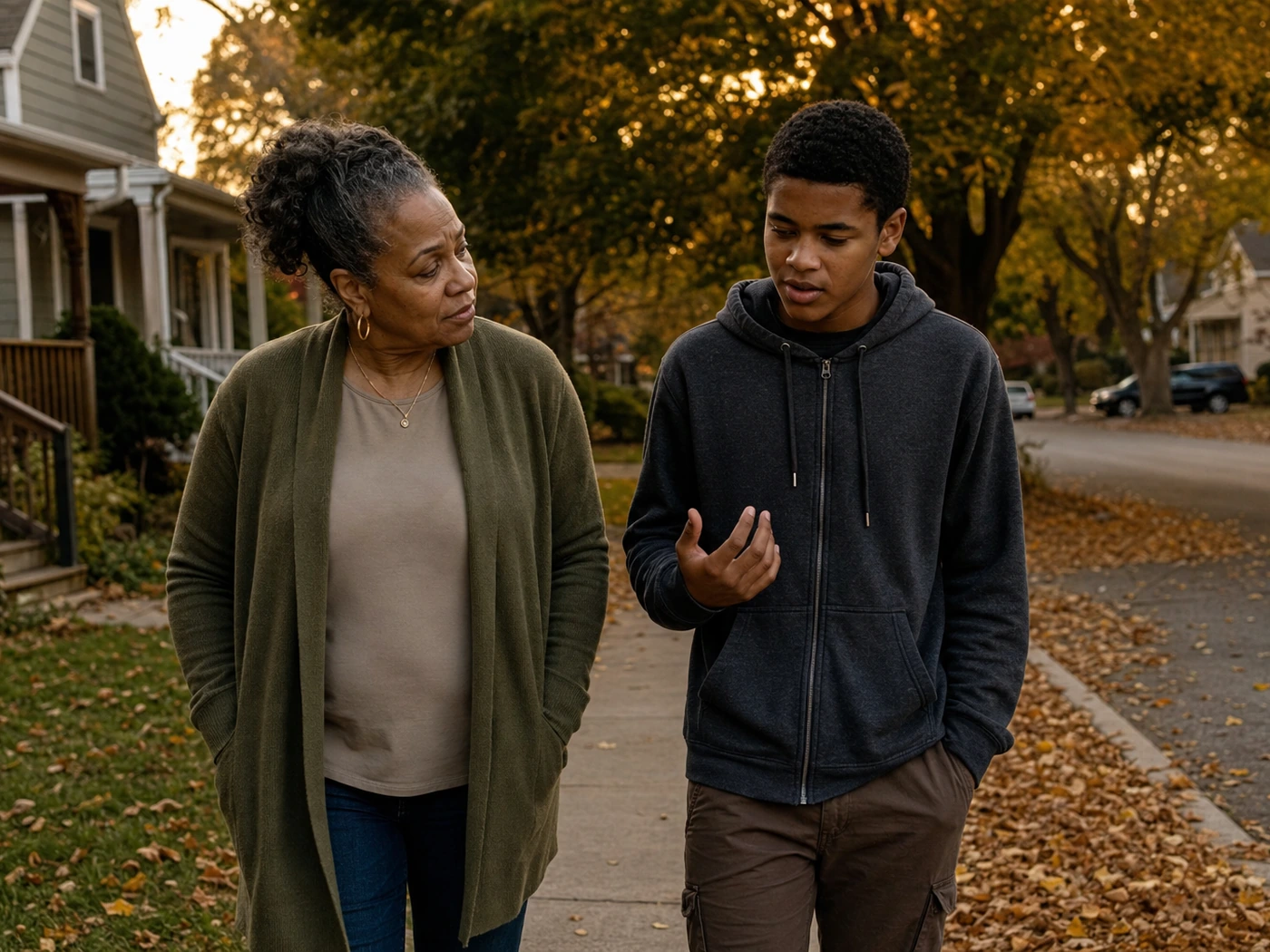
Here is the complete process in language you can adapt:
“I am calm enough to talk now. I yelled at you, and that was not okay. You were responsible for your choice, but you were not responsible for my yelling. I am sorry for speaking to you that way. I want to understand what the moment was like for you. The boundary still matters, and we are going to solve that part without yelling. Next time I feel myself getting that upset, I am going to pause and come back before I keep talking.”
For a very young child, shorten it:
“I yelled. That was too loud and scary. I am sorry. The rule is still the same. I will use a calmer voice. We are okay, and I love you.”
For a teenager, remove any language that sounds rehearsed and be direct:
“I was wrong to yell. I am not going to blame you for my reaction. I am sorry. The issue still needs to be resolved, but I want to do that respectfully. Tell me when you are ready to talk.”
What If Your Child Will Not Accept the Apology?
Your child does not owe you immediate forgiveness, affection, or reassurance. They may need time. They may also have heard similar promises before and be watching for changed behavior rather than another speech.
Do not chase forgiveness. Say:
“You do not have to respond right now. I meant what I said, and I am going to work on showing you.”
Then let consistent behavior become part of the apology.
If yelling is frequent, frightening, includes threats or insults, or feels impossible to control, seek support. A pediatrician, licensed mental health professional, family therapist, parenting professional, domestic violence resource, or crisis service can help you build a safer plan. Asking for help is not a failure of love. It is an act of responsibility.
What If You Keep Yelling?
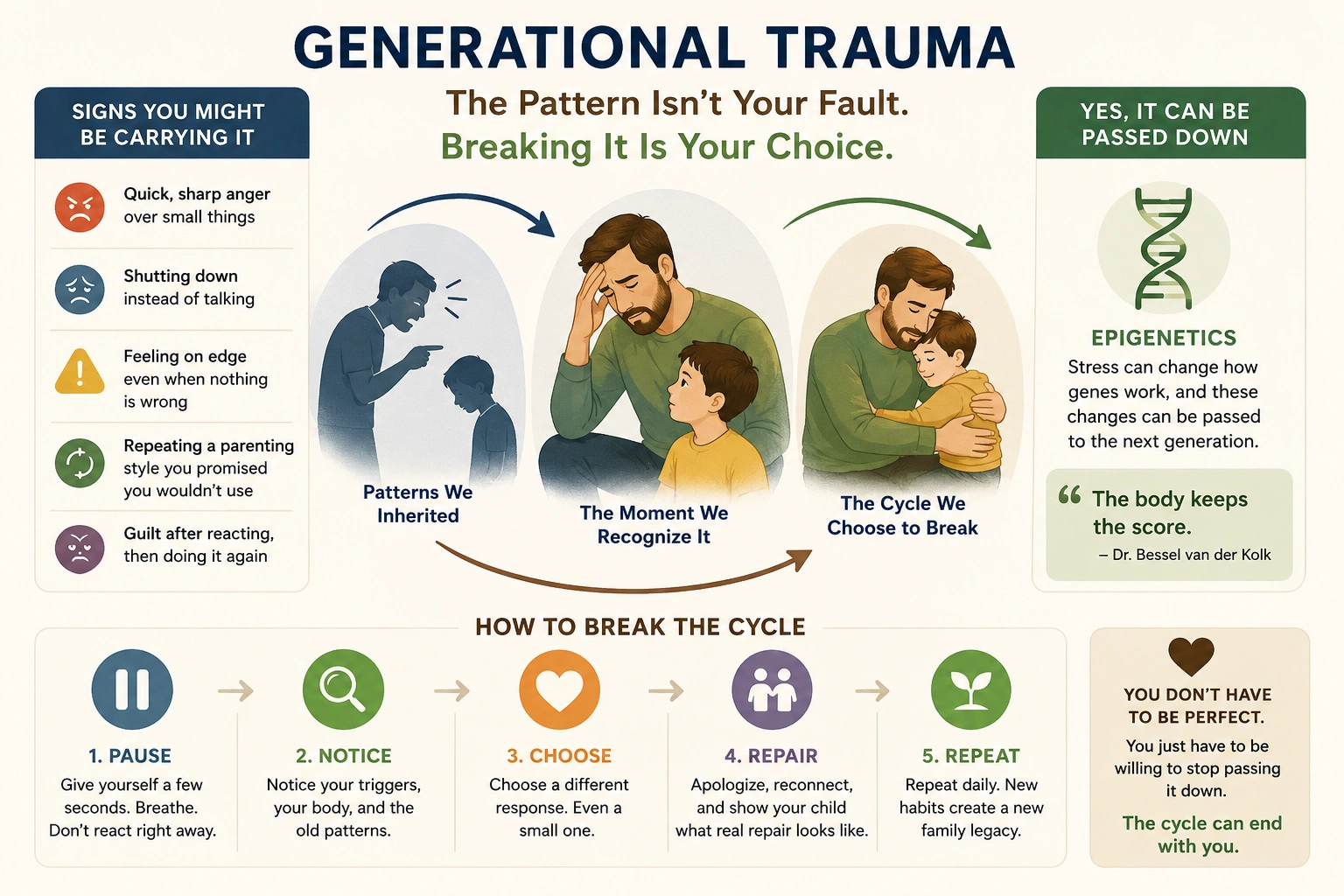
Repeated yelling is rarely solved by guilt alone. Look for the system around the behavior.
You may need:
- More realistic expectations for the child’s age or history
- Better transition and routine support
- Fewer instructions during high-stress periods
- Treatment for anxiety, depression, trauma, substance use, or chronic stress
- More sleep, food, movement, or practical help
- A co-parenting or household plan for handoffs
- Professional support for aggression or unsafe family conflict
The goal is not to collect more shame. It is to reduce the conditions that keep producing the same outcome.
Frequently Asked Questions
Will yelling once traumatize my child?
One incident should not be used to predict a child’s future. The intensity, frequency, words used, the child’s history, and what happens afterward all matter. Take the moment seriously, repair it, and seek help if yelling is recurring, threatening, or part of an unsafe pattern.
Should I explain why I yelled?
You can name relevant context without turning it into an excuse. “I was exhausted and overwhelmed” may be honest. It should be followed by responsibility: “That explains why I was struggling, but it does not make yelling your fault.”
Should a parent apologize if the child broke a rule?
Yes. You can apologize for yelling while still addressing the rule. The child’s behavior and the adult’s behavior are separate responsibilities.
What if my child asks whether I will yell again?
Do not make a promise you cannot guarantee. Try: “I am working on responding differently. If I make another mistake, I will own it. I am also making a plan to pause earlier.”
Is repair the same as letting a child avoid consequences?
No. Repair restores respect and connection. A calm, related consequence or safety boundary may still be needed.

Repair Is Part of Drama-Free Parenting
The most important moment may not be the one in which you lost your calm. It may be the moment when you decide what happens next.
Pause. Return. Tell the truth. Listen. Keep the boundary without keeping the battle alive. Then make one practical change that helps you respond earlier next time.
That is not perfect parenting. It is accountable parenting.
To explore Richard Dixson’s complete framework for replacing reactive patterns with calmer, more connected decisions, visit The Drama-Free Parent. Until checkout is fully verified, use the book page to explore the book and read the available free chapter.
Sources and Further Reading
- HealthyChildren.org: What’s the Best Way to Discipline My Child?
- Harvard Center on the Developing Child: Serve and Return
- National Child Traumatic Stress Network: Families and Trauma
This article provides general educational information and is not a substitute for individualized medical, mental health, legal, or emergency advice.