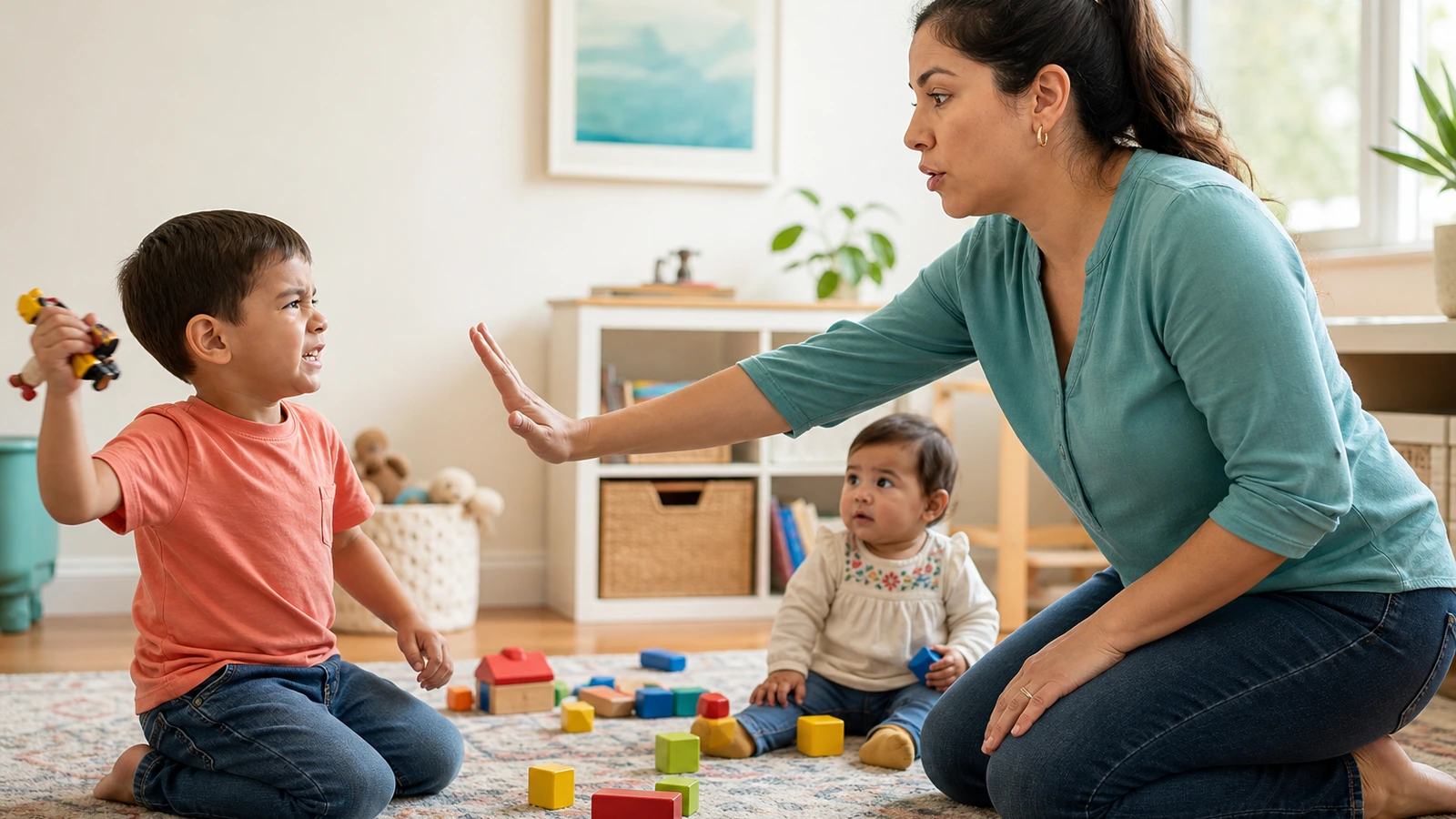

How to Stop Siblings Fighting All the Time: 7 Drama-Free Ways to Build More Peace at Home
It often starts over something small.
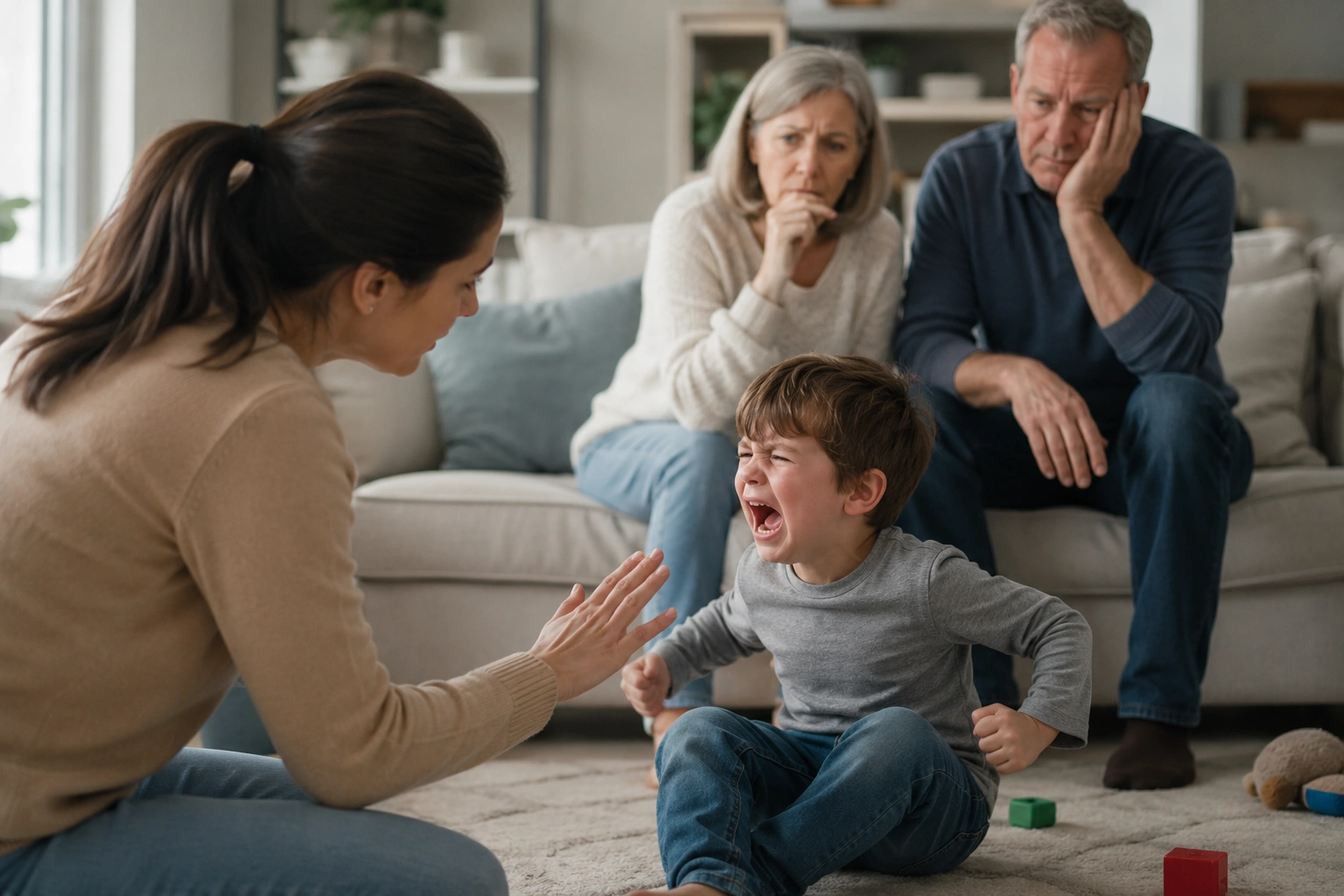
One child was sitting there first. Someone touched another child’s things. One sibling got the bigger piece, or somebody looked at someone else “the wrong way.”
Within seconds, you are standing between two angry children while hearing two completely different versions of the same story.
Eventually, many exhausted parents ask:
“Why can’t you two just stop fighting?”
If your children seem to argue constantly, you may be wondering how to stop siblings fighting without spending your entire day acting like a referee.
The answer is usually bigger than finding a better punishment or deciding who started every argument.
Sibling conflict is one of the ways children learn to share space, deal with frustration, communicate their needs, solve problems, and repair relationships.
That does not mean parents should ignore aggression or allow children to hurt one another.
Instead, the goal is to help children learn what to do when conflict happens.
Why Do Siblings Fight So Much?
Sibling arguments can look unreasonable from the outside. Underneath the fight, however, children may be dealing with very real needs and emotions.
They may be competing for:
- Your attention
- Physical space
- Possessions
- Privacy
- Control
- Fairness
- Recognition
- Independence
- A sense that they matter just as much as their sibling
Age and development also matter.
A four-year-old and a nine-year-old do not have the same ability to wait, negotiate, explain frustration, or understand another person’s point of view.
Temperament can make a difference too. One child may need quiet while another wants constant interaction. One may recover from disappointment quickly, while the other needs more time.
Sometimes the argument over a toy is not really about the toy.
The feeling underneath may sound more like:
- “Do you notice me too?”
- “Was that fair?”
- “Why does she always get what she wants?”
- “Do I matter as much as he does?”
A Drama-Free Parenting approach asks us to become curious about what may be happening beneath the visible fight before deciding what the children need from us.
Should Parents Stop Every Sibling Fight?
No. At the same time, children should not be expected to manage every conflict alone.
Some disagreements give children valuable opportunities to practice problem-solving.
If your children are disagreeing but remain physically safe, can communicate, and are not intimidating or humiliating each other, you may be able to watch for a moment before stepping in.
Intervene when:
- Someone is hitting, kicking, biting, or throwing objects
- A child is being physically intimidated
- One child cannot safely leave the interaction
- Threats are being made
- The same child is repeatedly targeted
- The conflict has gone beyond the children’s ability to calm themselves
Safety comes before teaching.
Once everyone is safer and calmer, you can address what happened.
1. Stop Asking “Who Started It?”
This is one of the hardest habits for many parents to break.
You hear screaming, walk into the room, and immediately ask:
“Who started this?”
Now both children have a new goal: prove that the other child is guilty.
Suddenly, you are no longer solving the original problem. You are holding a courtroom.
Unless you personally witnessed what happened, you may never know exactly who started the disagreement.
Instead, begin with what you can see:
“You’re both really upset. We’re going to get calm first, and then we’ll figure out what happened.”
This does not remove accountability. It simply gives children a better chance of taking responsibility once the emotional intensity has come down.
If family conflicts regularly turn into control battles, you may also find How to Stop a Power Struggle With Your Child Without Losing the Boundary helpful.
2. Separate First. Solve Second.
Trying to teach conflict-resolution skills while two children are screaming at one another rarely works.
When children are very upset, it becomes harder for them to listen, understand another person’s point of view, and solve the problem calmly.
Start by helping everyone settle.
You might say:
“We’re taking a break. You’re not in trouble. Everybody needs some space before we solve this.”
Then help them separate for a short period.
One child may need quiet. Another may need movement. A younger child may want you nearby, while an older child may prefer some privacy.
The goal is not rejection or punishment.
The goal is to lower the stress enough for learning and problem-solving to become possible.
This is also where co-regulation strategies for parents can help. Children often need support settling their bodies before they can talk about what happened.
3. Describe the Problem Without Labeling the Child
Labels can make sibling conflict worse.
Compare:
“You are always so selfish with your sister.”
with:
“You both wanted the tablet at the same time, and the argument became physical.”
The first statement attacks the child’s identity.
The second identifies a problem that can be addressed.
Try not to turn children into permanent family roles such as:
- The difficult one
- The sensitive one
- The selfish one
- The responsible one
- The troublemaker
- The baby
Children can begin believing the labels they repeatedly hear.
Instead, name the behavior:
“You grabbed it from him.”
“You pushed when you became angry.”
“Both of you started yelling.”
Behavior can change. A child’s identity should not become the problem.
4. Remember That Fair Does Not Always Mean Equal
Few sentences can start a sibling argument faster than:
“That’s not fair!”
Parents sometimes respond by trying to make absolutely everything equal.
The same amount. Matching privileges. Identical bedtimes. Even the same consequences.
But children have different ages, responsibilities, developmental abilities, and needs.
Fairness does not always mean everyone receives exactly the same thing.
You might explain:
“Fair means I’m going to think about what each of you needs. It doesn’t always mean everything will look identical.”
At the same time, pay attention if one child consistently believes another gets more attention, protection, freedom, or time with you.
You do not have to agree immediately. Become curious instead.
Ask:
“What feels unfair to you?”
The answer may tell you something important about what is fueling repeated sibling rivalry.
5. Give Each Child Attention That Does Not Have to Be Earned Through Conflict
Children can quickly notice a pattern.
When they play quietly, the adults continue with whatever they are doing.
When screaming begins, suddenly Mom or Dad appears and everyone stops.
This does not mean children deliberately create fights just to manipulate you.
However, behavior and attention can become connected.
Try giving each child small amounts of predictable individual connection before they feel they have to compete for it.
That connection does not require an expensive outing. It might be:
- Ten minutes talking before bed
- A short walk together
- Helping prepare dinner
- A quick drive without siblings
- Reading together
- A five-minute game
- Letting the child choose a simple activity with you
Also notice cooperation when it happens.
You could say:
“I noticed how you waited while your brother finished. That helped.”
Or:
“You two worked that out without me. Nice job.”
Positive attention can strengthen the behaviors you want to see more often.
6. Coach the Solution Instead of Giving the Verdict
Once everyone is calm enough to talk, resist the urge to solve everything yourself.
Your role can slowly change from referee to coach.
Begin by hearing each child’s experience.
Ask:
“What happened from your point of view?”
Give the other child the same opportunity.
They do not have to agree about every detail.
Next, ask:
“What were you trying to get or protect?”
One child may have wanted the toy. The other may have needed privacy. Someone may have wanted to feel included, while another child may have felt mocked or disrespected.
Then turn the conversation toward the future:
“What can we do differently from here?”
Possible solutions include:
- Using a timer
- Taking turns
- Creating privacy rules
- Returning an item
- Choosing separate activities
- Trying the conversation again
- Asking before borrowing
- Repairing something that was damaged
Younger children will usually need more help finding a solution.
Older children may surprise you when you stop solving the problem before they have a chance to try.
The Drama-Free Move: Calm the Conflict Before You Correct the Children
When sibling fighting becomes loud, parents naturally want to stop it immediately.
That urgency can quickly sound like:
“STOP IT RIGHT NOW!”
Sometimes safety requires a firm interruption.
Once everyone is safe, however, try this Drama-Free Move:
Regulate first. Understand second. Solve third.
In simple terms:
- Get bodies safe and voices lower.
- Understand what happened.
- Help the children choose the next workable step.
Trying to solve the problem before anyone is calm usually creates even more frustration.
7. Teach Repair Instead of Forcing “Sorry”
Imagine one child has screamed:
“I hate you!”
or grabbed something and pushed their sibling.
A common response is:
“Say you’re sorry.”
The child says “sorry,” but nothing meaningful changes.
Instead, help children understand that repair involves responsibility.
Ask:
“What do you think needs to happen to make this better?”
Repair might include:
- A sincere apology
- Returning something
- Replacing or fixing something
- Giving the sibling space
- Trying the interaction again
- Doing something kind
- Changing the repeated behavior
Parents can model repair too.
If you lose your temper while handling a sibling argument, you can come back and take responsibility.
For more help with this process, read What to Do After You Yell at Your Child: Five Steps to Repair.
What Should You Say When Siblings Are Fighting?
Many parents understand the idea but struggle with what to say in the moment.
Here are several simple scripts.
When both children are yelling
“I’m going to listen to both of you. First, we need our voices low enough to hear each other.”
When the fight becomes physical
“I won’t let you hurt each other. We’re separating now. We’ll talk when everyone is safer and calmer.”
When both children blame each other
“I’m not deciding who is the bad guy. I’m helping us solve what happened.”
When a child says something is unfair
“Tell me what feels unfair. I want to understand.”
When they want you to choose a winner
“I can help you solve this, but I’m not going to decide which one of you gets to win the argument.”
When they are ready to solve the problem
“What solution could work for both of you?”
Look for the Pattern Behind Repeated Sibling Fights
If your children seem to fight about everything, start paying attention to when the conflict happens.
You may discover that several different arguments are actually connected to the same trigger.
Look for patterns such as:
- Hunger or tiredness
- The first hour after school
- One child needing more quiet time
- Conflict increasing before bedtime
- Competition for a parent’s attention
- Arguments over phones, tablets, games, or other shared items
- A child needing more privacy
- Difficult transitions
- Unpredictable routines
A pattern gives you something practical to work with.
For example, if sibling battles happen every afternoon immediately after school, a stronger consequence may not solve the actual problem.
Your family may benefit more from:
Reconnect → Refuel → Regulate → Then Require.
Give children time to eat, settle down, and reconnect before expecting close cooperation.
This follows the same principles explained in our guide to co-regulation during big emotions.
What If One Child Is Always the Aggressor?
Do not ignore a repeated pattern simply because “siblings fight.”
Normal sibling conflict should not become an excuse for ongoing intimidation, humiliation, threats, physical aggression, or one child feeling afraid of another.
If one child repeatedly controls, frightens, injures, or targets another, take the pattern seriously.
Start with safety.
- Increase supervision when necessary
- Separate children when safety requires it
- Speak privately with each child
- Look for repeated triggers and patterns
- Set clear limits around physical and emotional safety
If aggression remains persistent or difficult to manage, consider speaking with your child’s pediatrician, school counselor, licensed mental health professional, or another qualified family professional.
Helping children solve ordinary disagreements is valuable. Expecting one child to “work it out” while being repeatedly harmed is not.
What If You Are the One Losing Your Calm?
Sibling fighting can exhaust parents too.
You may settle one argument only to hear another one five minutes later.
Eventually, your own body starts reacting to the first raised voice before you even enter the room.
Before stepping into the next conflict, ask:
“Am I calm enough to help them become calmer?”
If everyone is physically safe, give yourself a moment.
Take a breath. Lower your shoulders. Slow down your voice.
You do not need to become perfectly calm.
You simply want to avoid adding more stress to an already stressful moment.
A Simple Drama-Free Sibling Conflict Plan
When the next argument starts, remember this seven-step sequence:
1. Protect
Stop unsafe behavior.
2. Pause
Give everyone enough space to settle down.
3. Listen
Let each child explain their experience.
4. Identify
Ask what each child was trying to get, protect, or communicate.
5. Solve
Help them choose a workable next step.
6. Repair
Address anything that needs to be made right.
7. Learn
Look for the pattern so the same conflict becomes less likely next time.
Frequently Asked Questions About Sibling Fighting
Is it normal for siblings to fight every day?
Some sibling conflict is common, especially while children are still learning how to manage big emotions, communicate, share space, and solve disagreements. Pay attention to the intensity, safety, and whether children are gradually learning better ways to handle conflict.
How do I get my kids to stop fighting constantly?
Start by looking for repeated triggers instead of treating every argument as a separate event. Hunger, tiredness, transitions, shared possessions, privacy, competition for attention, and feelings about fairness can all play a role. Help children calm down first, then coach them toward a solution.
Should parents intervene when siblings fight?
Step in immediately when someone is unsafe, being physically harmed, intimidated, threatened, or unable to leave the situation. For lower-level disagreements, parents can sometimes observe first and step in as coaches when help is needed.
Should siblings be punished for fighting?
Consequences may be appropriate for unsafe or destructive behavior, but punishment by itself does not teach children what to do differently. They also need practice calming down, communicating, solving problems, and repairing harm.
Should I make my child apologize to their sibling?
A meaningful apology can be useful, but forced words do not always create repair. Children may also need to return something, replace damage, give space, redo an interaction, or change the behavior that caused the problem.
How can I reduce sibling jealousy?
You may not be able to remove every jealous feeling, but you can reduce unnecessary competition. Avoid comparisons, make time for individual connection, acknowledge differences, and explain that fairness does not always mean identical treatment.
When is sibling fighting more than normal rivalry?
Consider additional support when one child repeatedly frightens, humiliates, threatens, controls, or physically harms another; injuries occur; one child appears afraid at home; or the conflict is having a serious effect on family life.
Peace Does Not Mean Your Children Never Fight
It is easy to imagine that a peaceful home is one where siblings never argue.
That is probably not realistic.
Peace can look like:
- A disagreement that does not become physical
- A child saying “I need space” instead of hitting
- Two siblings finding their own compromise
- A parent stepping out of the courtroom role
- A child repairing the relationship after making a mistake
- A family recognizing a trigger before the next explosion
The goal is not to raise children who never experience conflict.
The goal is to raise children who increasingly know what to do with conflict.
That is a much more useful definition of peace.
Ready to Create More Calm and Connection at Home?
If sibling fighting is only one part of a larger pattern of power struggles, emotional meltdowns, parent frustration, or recurring family conflict, you do not need to change everything overnight.
Start with one different response.
Explore Richard Dixson’s free Drama-Free Parenting guide for practical tools you can begin using at home.
For a deeper framework, The Drama-Free Parent shares nine practical, trauma-informed decisions designed to help biological, foster, adoptive, and kinship families move from reaction toward greater calm, connection, and confidence.
If you want ongoing support putting these ideas into practice, The Parents Hub offers continued support around real-life family challenges, nervous system awareness, and Drama-Free Parenting tools.
Peace at home does not require a family without conflict.
It begins with learning how to move through conflict differently.